
UNDERSTANDING MAGNERIDE AND ITS IMPACT ON TODAY’S WORKSHOPS
In this article, Arnott Suspension takes a look at MagneRide systems
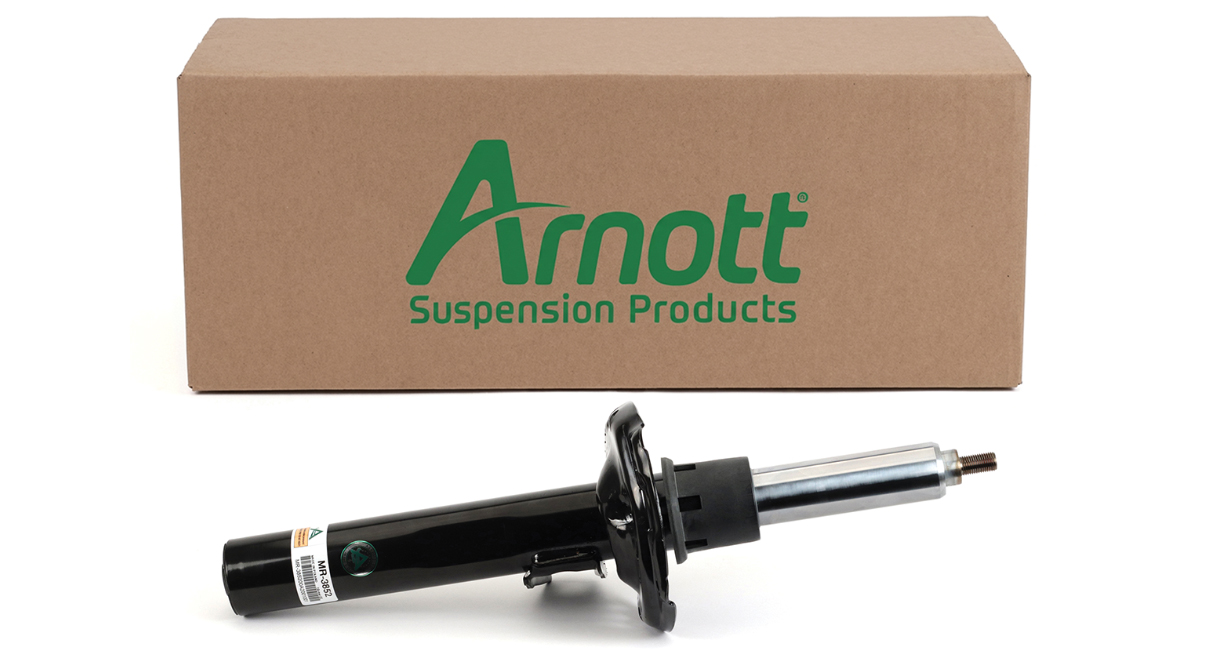
MagneRide has become increasingly common across Australia’s premium and performance segments, appearing in late model GM imports, European SUVs, and high-end sports cars.
As these vehicles age into the independent sector, workshops are encountering MagneRide systems more often and facing new diagnostic and repair considerations.
Unlike valve-based dampers, MagneRide uses magnetism to control damping.
Inside each strut is magnetorheological (MR) fluid containing millions of microscopic iron and clay particles suspended in oil.
When magnetised, the damper’s internal electromagnet aligns these particles into chainlike structures, thickening the fluid.
The stronger the magnetic field, the firmer the damping.
Modern systems adjust more than 1,000 times per second, creating true continuously variable damping without mechanical valve movement.
The MR Fluid challenge
MR fluid is highly advanced, but it has drawbacks.
The chemicals that keep the iron and clay particles suspended are abrasive and contribute to seal degradation over time.
Once seals wear, MR fluid leaks past the piston rod and the system begins to fail.
Loss of fluid results in soft, unstable damping; chemical breakdown can cause particle separation above and below the piston, producing an extremely harsh, immovable ride.
In Australia, where vehicles see rougher regional roads and heavier towing, OE MagneRide dampers often fail in under five years.
This has opened the door to aftermarket replacements, along with a wave of low-cost imported struts that may use inferior seals and MR fluid blends.
Some of these units fail in as little as six months, creating customer callbacks and eroding workshop trust.
Arnott’s approach to MagneRide
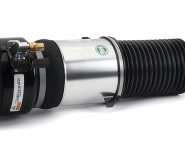
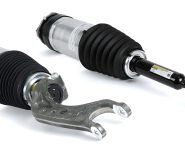
To avoid the durability pitfalls common in low-quality units, Arnott uses genuine OE MagneRide dampers as the foundation for its replacement products.
Arnott explains that MagneRide components depend on precisely engineered electromagnet coils, MR fluid chemistry, and piston geometry, elements that cannot be reliably reverse engineered.
For select applications, Arnott integrates these OE dampers into a complete coil-over assembly with a premium coil spring, upper mount, and jounce bumper (also known as bump stop).
This bolt-in, plug-and-play design eliminates the need for a spring compressor and provides workshops with a convenient, OE-correct solution that the vehicle manufacturer does not offer.
Diagnosis and repair considerations
With the Motor Vehicle Service and Repair Information Sharing Scheme now in effect, Australian workshops have greater access to calibration and diagnostic data, critical for servicing MagneRide systems.
Common checks include verifying ECU commanded damping levels, performing resistance tests on the electromagnet coil (typically one to three ohms, per General Motors service documentation), and inspecting the piston rod for MR fluid leakage.
After installation, some vehicles require a damper relearn procedure to recalibrate baseline performance.
Access to accurate service data helps independent workshops complete these steps confidently without relying solely on dealership tools.
What this means for Australian workshops
As the national vehicle parc continues shifting toward imported luxury and performance platforms, Arnott says MagneRide will become even more prevalent in the aftermarket.
Understanding the technology, recognising MR fluid failure patterns, and selecting reliable replacement components are essential for maintaining ride quality and customer safety.
With OE based dampers, enhanced coil over assemblies, and improved access to service information through right to repair legislation, Australian workshops are well positioned to deliver high quality repairs and provide customers with trusted alternatives to dealership-only service.
For more information, visit www.arnottinc.com