
A SUSPENSION OPPORTUNITY FOR THE AFTERMARKET
In this article, Arnott takes a look at new opportunities created by EV growth
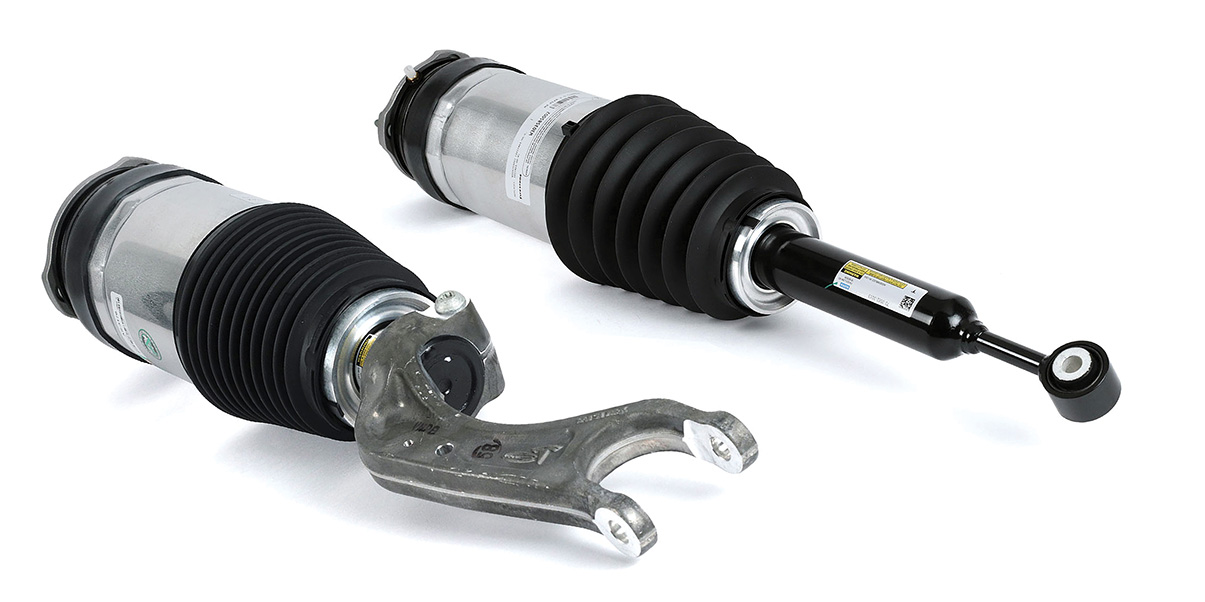
Rising fuel prices and increasing availability of hybrids and EVs are accelerating Australia’s shift toward electrified vehicles.
For the aftermarket, Arnott says this change goes beyond powertrains, noting it is creating new opportunities in suspension – especially air suspension systems.
Although EVs use different propulsion systems, their suspension components remain familiar.
However, they introduce heavier vehicle weights from battery packs, and different load distribution and wear patterns.
These factors place greater demand on suspension systems and components.
Arnott explains that air suspension is becoming more common in EVs due to its versatility.
Its ability to maintain ride comfort and height under varying loads and, in some cases, to improve efficiency by reducing drag at speed, is not only relevant to SUVs and premium vehicles, but also allows for better adaptability across diverse Australian driving conditions.
Aftermarket implications
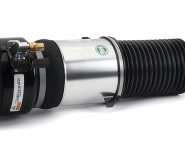
As EV adoption grows, so will the demand for air springs and struts, compressors and sensors, and electronic suspension components.
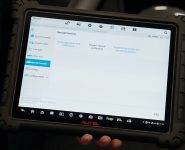
Arnott also notes that while suspension remains a high-wear category ensuring ongoing service opportunities, increasing system complexity also means workshops will need proper diagnostic tools, access to OEM repair data, and training in EV-safe procedures.
Training, safety, and the growing skills gap
As vehicles become more advanced, the biggest challenge for many workshops is no longer only mechanical.
Access to OEM repair data, diagnostic tools, and proper training is becoming essential, particularly for EVs that require calibration procedures and safety protocols for high-voltage systems.
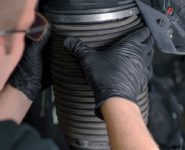
Arnott says this is where industry-led training is beginning to play a critical role, noting that programs such as its Air Suspension Academy are helping technicians build confidence in areas like diagnostics, system calibration, and EV-safe service practices.
For workshops, Arnott says investing in these capabilities is not just about keeping up – they also need to stay competitive, as customers and insurers alike are placing greater emphasis on proper repair procedures and documented competency.
Looking ahead
Australia’s electrification trend is reshaping the car parc, but it is also reinforcing the importance of suspension systems, says Arnott.
For the aftermarket, Arnott believes the opportunity is clear: adapt early, invest in capability, and be ready for the next wave of demand: those who invest early in training, tools, and product knowledge will be best positioned to capture it.
For more information, visit www.arnottinc.com and www.airsuspensionacademy.com