

WHY WORKSHOP EFFICIENCY DOESN’T END AT THE REPAIR
As customer expectations continue to evolve, workshops are increasingly looking for ways to create smoother experiences while reducing administrative steps behind the scenes
Beyond the tools and technology on display, many exhibitors and attendees at the Australian Auto Aftermarket Expo (AAAExpo) were exploring how workshops can improve day-to-day operations, from customer communication and workflow visibility through to invoicing and payment handling.
Megabus says one of the key areas that appeared to resonate strongly with visitors at Stand M48 was the importance of streamlining the final stages of the job process.
While the repair itself may be completed efficiently, disconnected payment systems or manual transaction processes can still introduce duplicate handling, errors when entering payment amounts and time-consuming administration behind the scenes.
Individually, these moments may seem small. Across an entire workshop, however, they can quietly affect workflow, operational consistency, and the overall customer experience.
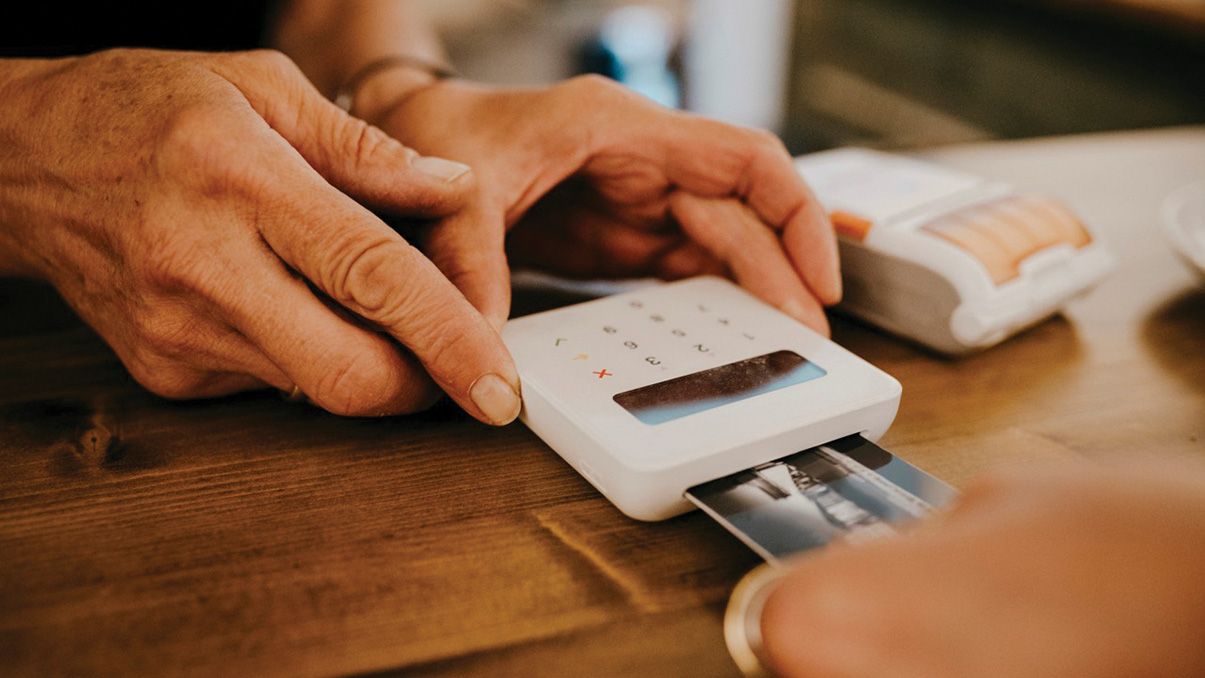
In many workshops, payment processing can still involve manually re-entering transaction amounts into separate EFTPOS terminals, reconciling payments across multiple systems, and managing additional paperwork at the end of the day.
These extra steps not only consume valuable time but can also increase the likelihood of processing errors and discrepancies that require further follow-up.
Megabus says this is why integrated payment functionality is becoming an essential part of modern workshop operations.
By connecting payments directly within workshop systems, businesses can reduce manual entry, minimise transaction errors, and simplify end-of-day reconciliation.
Rather than rekeying payment amounts across separate systems, integrated workflows help information move more seamlessly through the business, improving both visibility and accuracy.
This allows staff to spend less time handling administrative tasks, while workshops gain a clearer overview of transactions and payment activity throughout the day.
Integrated payment functionality also gives workshops greater flexibility in how they manage customer payments.
Whether customers pay at the counter or remotely via secure payment links, workshops can complete transactions more conveniently while reducing follow-up calls and unnecessary administration.
Beyond convenience, integrated systems may also help reduce payment-related administration by streamlining reconciliation, reducing manual handling, and minimising duplicate data entry.
Ultimately, Megabus says, “workshop efficiency is not only about completing the repair itself. It is about how smoothly the entire process comes together around it, from the initial booking through to the final payment.”
For more information, visit www.megabus.com.au