
LOVELLS IS MAKING IT IN AUSTRALIA, FOR THE WORLD
For nearly 100 years, Lovells have pursued a simple strategy: be better, not cheaper
For almost a century, Lovells Automotive Systems says Australians have trusted its team to build products that perform when conditions are at their worst.
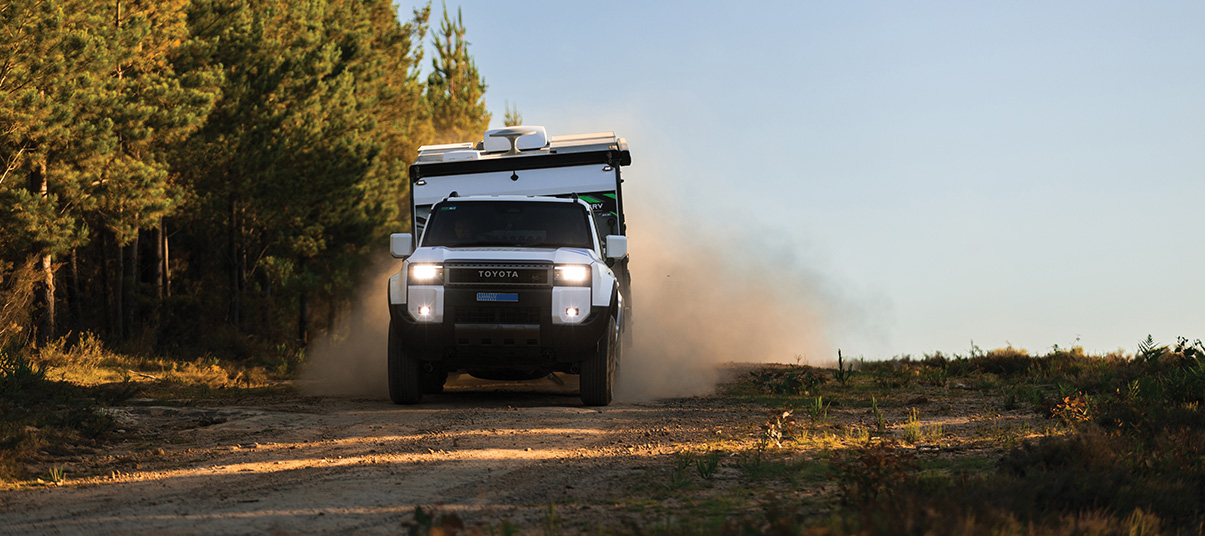
Not when the road is smooth, the vehicle is empty, or the weather is perfect – but when a LandCruiser is towing a caravan across the Nullarbor when it is half flooded and corrugated; when mining vehicles carry equipment into remote Australia; when United Nations vehicles respond to emergencies off-road; and when Defence platforms demand reliability over excuses.
“This is where Australian manufacturing proves its value. It is also why the automotive aftermarket matters far more to this country than many policymakers recognise,” Lovells Group Managing Director, Simon Crane, said.
“Consumers ultimately benefit too, because these products are proven in the real world, not just engineered in theory.
“What is often overlooked is that many of these upgrades are no longer simply a matter of choice. As vehicles carry more, tow more, and operate under higher expectations, factors like safety, compliance and real world capability increasingly drive the need for these products.
“Australia does not need manufacturing that only works on paper. It needs products that survive reality.”
The Australian automotive aftermarket is one of the nation’s quiet industrial success stories. It contributes billions to the economy, supports hundreds of thousands of jobs, and keeps Australia moving long after vehicles leave the showroom floor.
It also plays a vital role in extending the life and capability of vehicles long after they leave the showroom, ensuring they can continue to meet the demands placed on them in the real world.
“Yet debate too often still treats automotive manufacturing through the outdated lens of mass-market vehicle assembly,” Simon said.
“The discussion begins and ends with whether Australia can build complete cars again, as though that alone defines national capability. That misses the point entirely.
“Australia already possesses globally competitive automotive capability. It exists in specialist manufacturers, engineers, modifiers, distributors, and innovators across the aftermarket sector-businesses that survived by becoming world-class at solving specific, high-stakes problems under real operating conditions.
“Lovells is one of them. For nearly 100 years, we have pursued a simple strategy: be better, not cheaper.
“That decision has preserved and built Australian capability in suspension engineering, manufacturing, and design.”
As Lovells approaches 2030 and its centenary, it is not slowing down. In many respects, it is entering a new phase of growth.
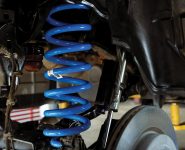
Lovells is widely known for GVM/GCM upgrades, towing systems, and heavy-duty suspension products trusted by serious four-wheel drivers, fleets, and caravan owners across Australia.
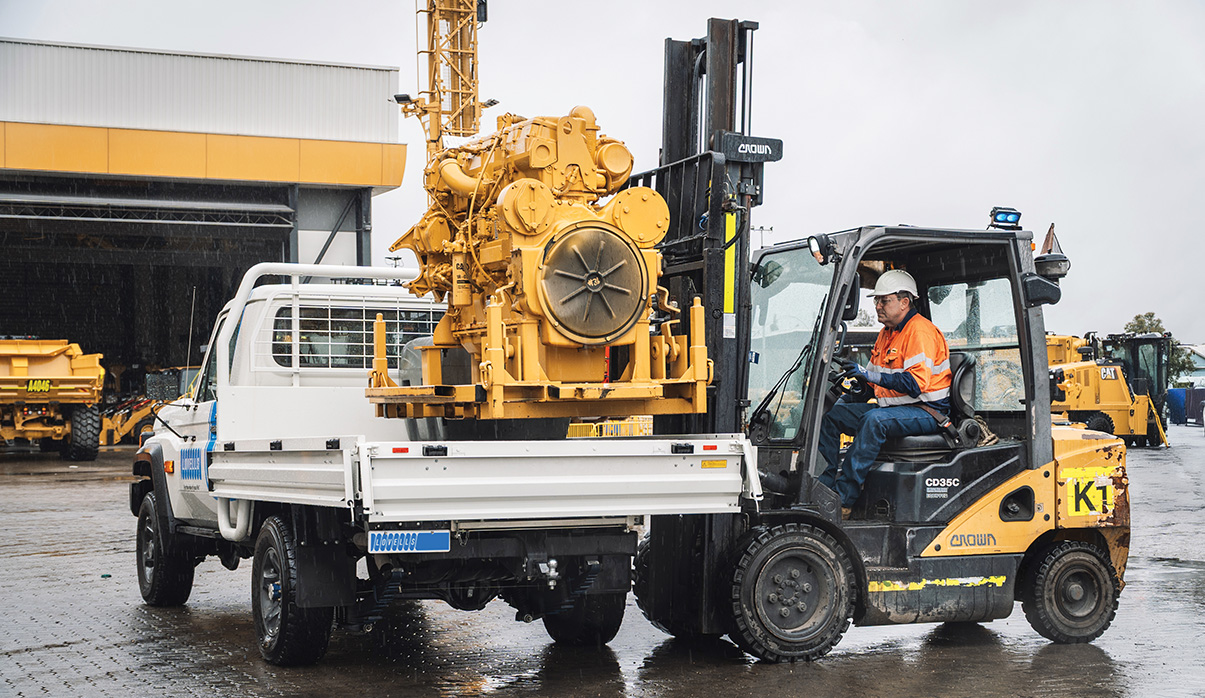
“These remain central to the business, but they sit on top of something much larger: nearly a century of accumulated Australian engineering and manufacturing capability,” Simon said.
That capability now extends well beyond recreational off-road use, with Lovells moving into the ranks of primary suspension suppliers for major passenger rail builders globally.
“Mining operations are increasingly deploying crushing and screening equipment on Lovells elastomeric suspension modules – environments where downtime is measured in millions of dollars and failure is not an option,” Simon explained.
“At the same time, Australian Lovells customers will soon have access to a broader installation network than ever before, ensuring advanced Australian-made products can be fitted across both metropolitan and regional Australia.”
Staying close to customers across the country has allowed Lovells to continually refine its products against real world feedback, rather than designing in isolation.
The next generation of products are also arriving, including onboard payload monitoring systems, heavy-duty axle upgrades for higher payloads, advanced towing systems and couplings rated to 7.5 tonnes ATM, and integrated towing and suspension technologies designed specifically for Australian conditions.
“This is what modern Australian manufacturing looks like: specialised, technical, highly engineered, tightly connected to customer needs, and increasingly valuable globally,” Simon said.
“The reality is Australia was never going to win a race to the bottom on labour costs. It cannot out-scale China, nor out-subsidise the United States, nor compete in commodity manufacturing against low-cost industrial economies.
“What it can do is build better products than almost anyone else. That is why Lovells differentials have been fitted to Arctic trucks, because they work when lives depend on them.
“That has been Lovells’ strategy for decades. We have not chased the cheapest production model. Instead, we have invested in engineering, testing, research and development, facilities, and people.
“Our newly opened Newcastle headquarters and manufacturing operation reflects that philosophy. Everything that can be manufactured locally is made locally, and growth is already driving further expansion planning.
“That investment is why Lovells remains globally competitive while still manufacturing in Australia nearly a century after it began.
“It also highlights a broader strategic truth: when industrial capability is lost, it is not just factories that disappear. Engineers, toolmakers, metallurgists, designers, supply-chain depth, testing capability, and production knowledge are lost too. Resilience goes with them.”
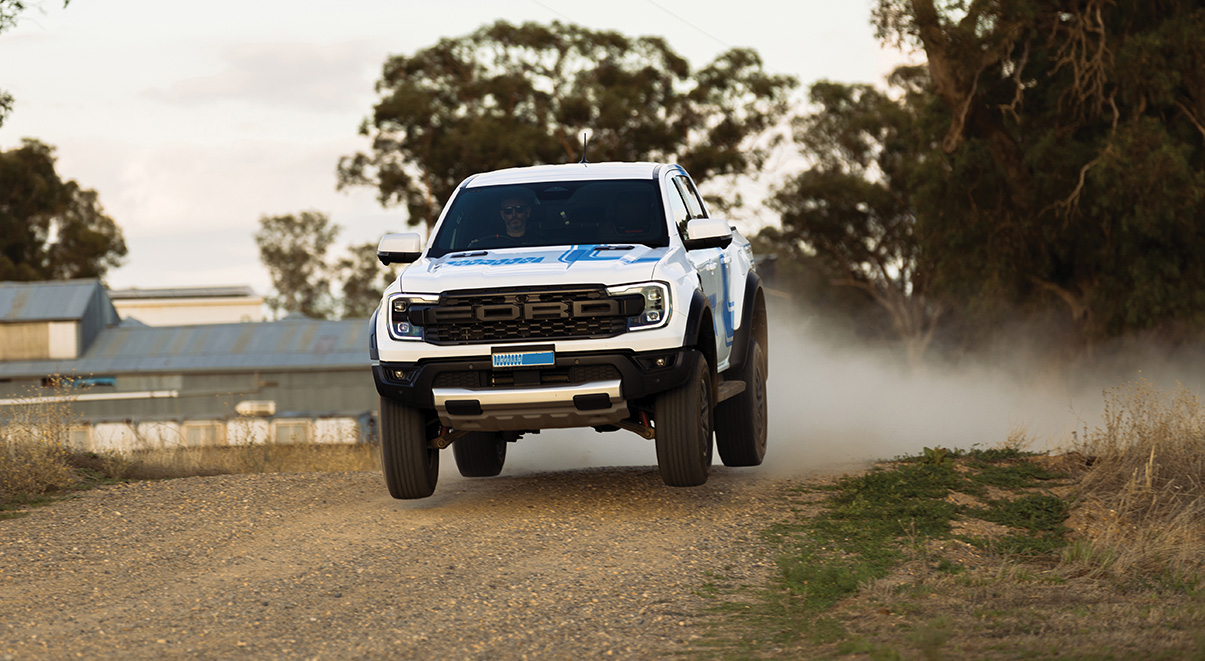
Recent debate about whether Australia should return to vehicle manufacturing has predictably split opinion between reminiscence and dismissal.
“But the more important issue sits beneath the politics,” Simon stated.
“The pandemic, geopolitical instability, and global supply chain disruption exposed how vulnerable advanced economies become when critical manufacturing capability is outsourced offshore. Australia should not ignore that lesson.
“The uncomfortable reality is that Australia has already lost significant industrial capability. The fact it can no longer manufacture something as fundamental as a tyre should concern anyone serious about national industry strength.
“Dependence on overseas supply chains for once-basic goods has become a strategic vulnerability.
“The key question now is whether Australia retains enough industrial capability to rebuild in strategic areas when required.
“The answer is yes – but only because companies across the aftermarket sector refused to disappear.
“Most Australian manufacturers did not survive the past three decades. Those that did were forced through a prolonged test of efficiency, adaptability, and resilience under globalisation and relentless cost pressure.
“Survival required one lesson above all: Australian manufacturing only works when you become indispensable.”
Simon says Lovells survived because it found a global niche and dominated it.
“We built suspension systems capable of handling extreme loads and punishing environments better than most competitors anywhere in the world,” he said.
“That capability has made us a supplier of choice in more than 30 export markets.
“Just as importantly, this capability strengthens the broader Australian industrial ecosystem.
“Every successful manufacturer supports workshops, installers, modifiers, distributors, and service providers.
“Every engineering capability retained locally adds depth to sovereign industrial capacity.
“Every advanced product designed and made here becomes harder to replace if it is ever lost.”
The automotive aftermarket is now one of the last remaining proving grounds for Australian manufacturing capability at scale.
Unlike industries that have disappeared offshore, it continues to innovate, export, and expand because it stays close to real-world demand.
“Choosing Lovells supports local jobs, families, and capability,” Simon concluded.
“Sticker price is temporary; capability is not. As Lovells approaches its centenary, confidence in Australian manufacturing is shaped not by ease, but by endurance – by the fact that surviving in Australia has forced manufacturers to become sharper, more specialised, and more resilient than almost anywhere else in the world.”
For more from Lovells, visit www.lovells.com.au