

WHY SUPPLY CHAIN CERTAINTY MATTERS MORE THAN EVER FOR WORKSHOPS
A lubricant supplier is no longer just a product provider – they are a critical supply chain partner
The Australian automotive aftermarket is no stranger to disruption. Over the past five years, workshops and trade businesses have faced everything from pandemic related freight delays to raw material shortages, rising operating costs, and ongoing economic pressure.
Now, with escalating geopolitical tensions in the Middle East, including the ongoing Iran conflict and instability across global oil markets, the lubricants industry is once again entering a period of uncertainty.
Penrite says that for workshops across Australia, this creates a critical business question: can your lubricant supplier continue to deliver consistent supply, stable support, and reliable service when market conditions tighten?
Historically, global conflict in oil producing regions has had a direct flow on effect to base oil pricing, freight costs, and lubricant manufacturing inputs.
While no one can predict how long current tensions may continue, the industry is already seeing increased volatility in global crude prices and concerns around shipping routes, energy costs, and supply continuity.
For independent workshops, these disruptions can quickly become operational problems. Delayed deliveries, inconsistent stock availability and sudden price movements can impact servicing schedules, customer retention, and overall workshop profitability.
That is why the conversation around lubricants is shifting beyond simply price per litre. More workshops are now looking closely at supplier capability, inventory strength, and long-term reliability.
For workshops managing growing vehicle complexity, tighter booking schedules and increasing customer expectations, dependable supply has become essential – missing stock on high volume service grades or specialised OEM specification oils can create unnecessary downtime and force workshops into reactive purchasing decisions which erode margins.
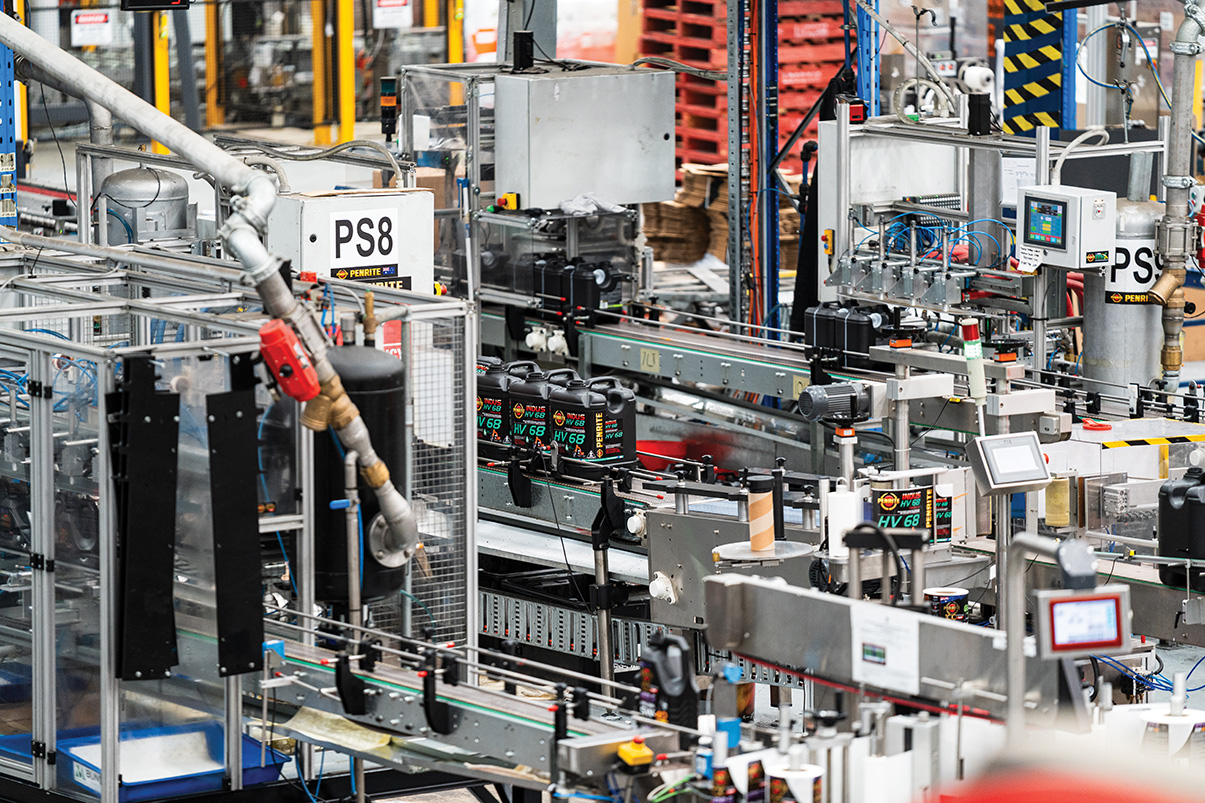
Penrite says the reality is that workshops need partners with strong national distribution, local inventory holdings, and proven operational resilience, with businesses with domestic blending capability, local warehousing, and national distribution networks especially equipped to manage external supply pressures compared to suppliers heavily reliant on overseas finished product imports.
Beyond supply certainty, Penrite says workshops should also be assessing the broader value of their trade relationships.
It states a strong trade account partnership should help workshops improve profitability, streamline procurement and provide technical confidence across a rapidly changing vehicle landscape. This includes access to trade pricing structures, technical support, training resources and product ranges tailored specifically to workshop requirements.
Importantly, workshops should also evaluate whether their supplier is investing in the future of the industry, with Penrite noting that suppliers actively investing in OEM approvals, research and product innovation will be better positioned to support workshops servicing modern vehicles over the long term.
To enquire about a trade account with Penrite, go to info.penriteoil.com.au/trade or call 1300 736 748.