

DBA READY FOR WHAT’S NEXT
Australia’s vehicle parc is changing, but Disc Brakes Australia (DBA) says it is ready for what it is to come
New vehicle brands are arriving in Australian workshops faster than ever. Alongside them comes a growing range of platforms, technologies, and service requirements that are reshaping the aftermarket.
For workshops, adapting to that change is becoming part of everyday business. For suppliers, it means ensuring the right products are available when those vehicles begin moving through the independent repair network.
The vehicles have already arrived
Walk through any busy workshop today and the mix of vehicles on the hoists tells a very different story to what it did five years ago.
The familiar Japanese passenger cars, European performance vehicles, Korean SUVs, and dual-cab utes remain an important part of Australia’s vehicle fleet.
Increasingly, however, they are being joined by a growing number of new and fast-growing vehicle brands that have quickly established themselves in the local market.
Manufacturers such as BYD, GWM, MG, Chery, and LDV have become an increasingly common sight in Australian workshops in a remarkably short period of time.
Disc Brakes Australia (DBA) says that according to VFACTS data*, these brands accounted for approximately 30 percent of all new vehicle sales in April 2026, up from around 15 percent during the same month just one year earlier.
That is not simply a sales trend, says DBA, which states it represents a significant shift in Australia’s vehicle parc, and one that is already having an impact throughout the independent aftermarket.
Workshops do not get to choose what arrives through the workshop doors. Whether it is a recently introduced Chinese-built SUV, a hybrid vehicle, an EV platform, or a long-established passenger car, the expectation remains the same: parts need to fit correctly, perform as intended, and be available when the job needs doing.
As Australia’s vehicle mix continues to diversify, suppliers are being challenged to support a broader range of applications than ever before.
Designed and engineered for a changing market
For DBA, responding to these changes begins long before a vehicle becomes a common sight in independent workshops.
With close to five decades of experience designing and engineering braking solutions in Australia, DBA says it has built its reputation on understanding the unique requirements of the local market.
As new vehicle brands continue to gain momentum, DBA explains that its engineering team assesses emerging applications against OE specifications, vehicle characteristics, and local operating conditions to ensure workshops have access to braking solutions they can install with confidence.
Vehicle registrations are monitored, OE platform changes are assessed, and new applications are reviewed as market trends emerge.
The objective is straightforward: deliver coverage that keeps pace with Australia’s changing vehicle fleet, while maintaining the standards of fit, performance, and durability expected from a DBA product.
Every new application undergoes a detailed engineering review which considers OE rotor design, vehicle mass, brake system characteristics, friction requirements, and expected operating conditions.
DBA notes this process helps ensure new applications meet the same standards that workshops have come to expect across the DBA range.
As a result, DBA continues to expand coverage across a growing number of applications for brands including BYD, Chery, GWM, LDV and MG, with further applications being developed as the Australian vehicle parc continues to evolve.
Supporting the vehicles entering workshops today
As new vehicle brands continue to grow their presence on Australian roads, workshops need access to braking solutions suited to a wide range of vehicles and operating environments.
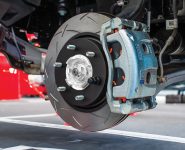
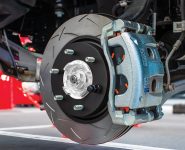
For everyday passenger vehicles and SUVs, DBA says its Street Series rotor range provides OE-quality replacement solutions for the growing number of applications entering independent workshops.
Designed for everyday driving conditions, the range is said to deliver dependable performance while maintaining the fit and functionality expected from an OE replacement rotor.
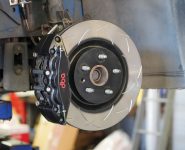
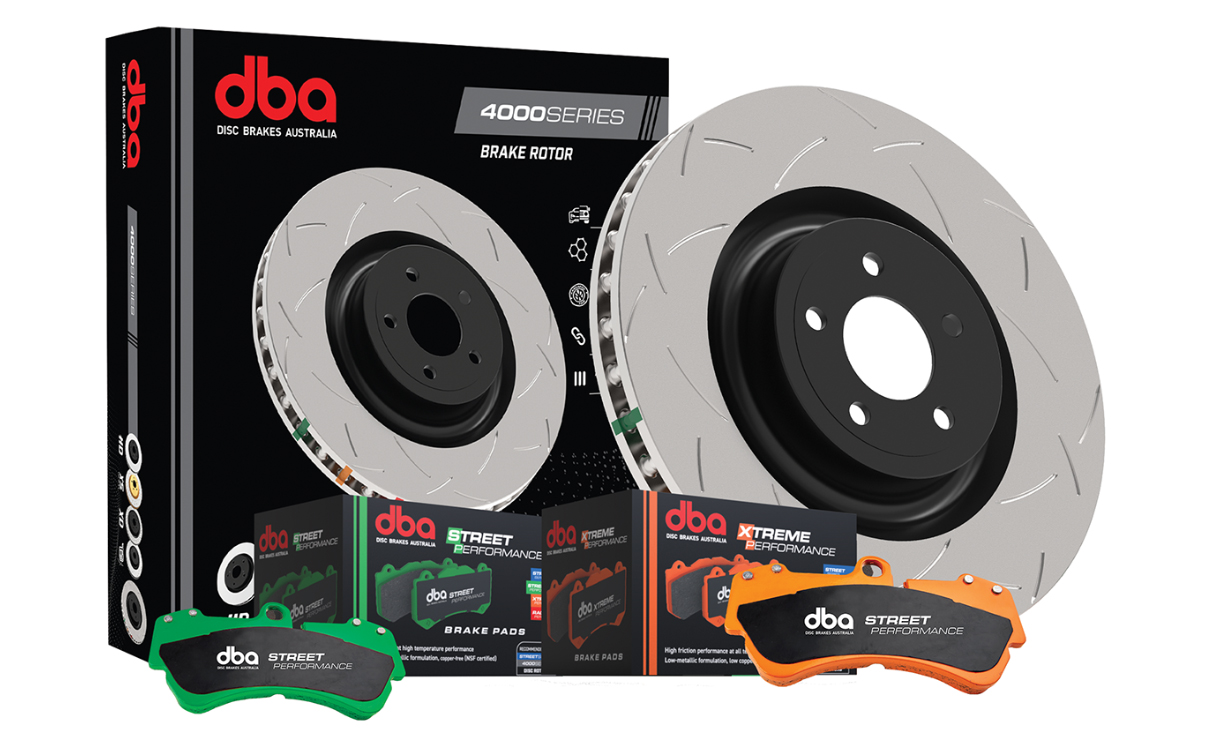
For vehicles operating under heavier demands, including utes, 4x4s, and vehicles used for towing, DBA says its 4000 Series rotors offer increased thermal capacity and durability.
As more of these vehicles enter the Australian vehicle fleet, DBA continues to expand application coverage to support workshop demand.
On the friction side, DBA says its Street Series brake pads provide a reliable OE replacement option for everyday driving, and drivers seeking enhanced braking performance can step up to Street Performance, while Xtreme Performance is engineered for more demanding applications, including heavy loads, towing, and off-road use.
Together, DBA says these rotor and pad ranges are designed to support the increasingly diverse range of vehicles now appearing in Australian workshops, from established market leaders through to the newest brands gaining momentum on Australian roads.
Keeping pace with a changing market
Australia’s vehicle fleet is becoming increasingly diverse, and there is little indication that trend will slow any time soon.
As new brands continue to establish themselves and vehicle technologies evolve, workshops will increasingly rely on suppliers capable of supporting a broader range of applications without compromising on quality, performance or availability.
DBA says that for its team, that means continuing to invest in Australian engineering, product development and application coverage to ensure workshops are equipped for the vehicles they service today and those they will service tomorrow.
“Because while the badges on Australian roads may be changing, the expectation for safe, reliable braking performance remains exactly the same,” says DBA.
For more from DBA, visit www.dba.com.au