

POWER PROBES
Get Electronic describes Power Probes as a powerful diagnostic tool which demands respect
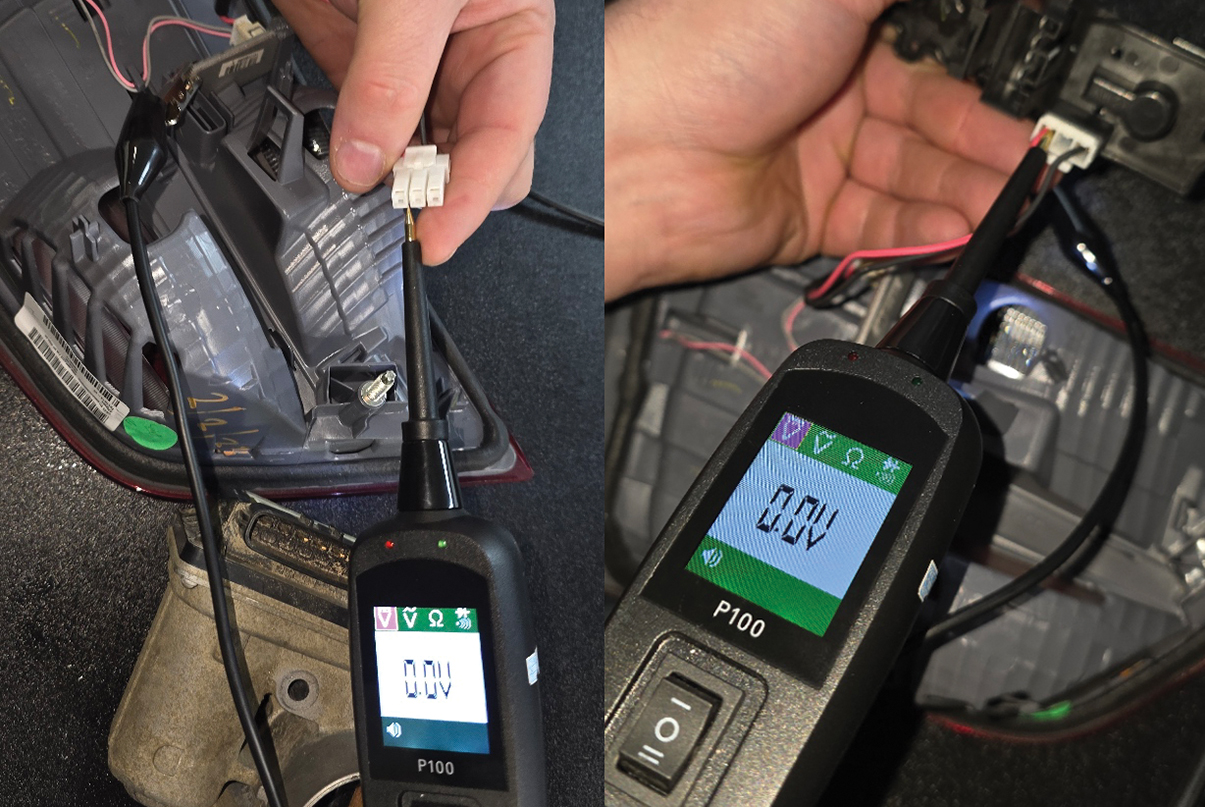
The Power Probe has become one of the most valuable diagnostic tools in the modern workshop.
With the ability to quickly apply power or ground, activate relays, test motors, solenoids, and verify circuit operation, it can dramatically reduce diagnostic time.
However, when used incorrectly, it can also become one of the fastest ways to damage expensive electronic control modules.
“At Get Electronic, we regularly see control modules that have suffered avoidable damage during diagnosis,” Get Electronics’ David Burke said.
“In many cases, the original fault was relatively minor, but incorrect testing introduced a second fault that complicated the repair and significantly increased the cost.
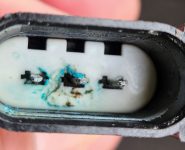
“One of the most common issues is connector damage. Forcing oversized probe tips into terminals can spread the female contacts, reducing the terminal tension.
“The connector may still appear normal, but the pin no longer grips correctly, resulting in an intermittent connection that can be extremely difficult to diagnose.
“Wherever possible, back-probe the connector or use the correct terminal adapter designed for that connector type.”
David explains that another major risk is back-feeding voltage into an electronic switching device.
“Most modern control modules no longer switch components with traditional relays, they use semiconductor devices such as MOSFETs and intelligent high-side or low-side drivers,” David said.
“Applying battery voltage directly to one of these outputs can destroy the silicon inside the device instantly.
“Even worse, the damaged driver may not have been faulty before testing, leaving the technician with two separate faults producing similar symptoms.”
Particular care should also be taken around five-volt reference circuits.
Many sensors share a regulated five-volt supply from the engine control module. Accidentally introducing 12 volts onto one of these circuits can damage multiple sensors and, in severe cases, the ECU itself.
Repairs to this type of damage are often complex and, in some situations, may not be economically repairable.
“A safer approach is to isolate the circuit before applying power,” David said.
“This may involve unplugging the control module, depinning the affected wire, or disconnecting the load being tested.
“Using a current-limited bench power supply instead of the vehicle’s battery can also provide an additional layer of protection by limiting the available fault current should a mistake occur.
“The Power Probe remains an outstanding diagnostic tool but like any professional equipment, it requires training, an understanding of modern vehicle electronics, and careful application.
“A few extra minutes spent isolating a circuit and choosing the correct test method can prevent thousands of dollars in unnecessary module damage.
“The best diagnostic technicians don’t simply apply voltage; they understand exactly where that voltage is going, what is connected to it, and the consequences if something unexpected lies on the other side.”
For more from Get Electronic, please visit www.getelectronic.com.au