

DIELECTRIC GREASE
This grease can be a powerful tool when used appropriately
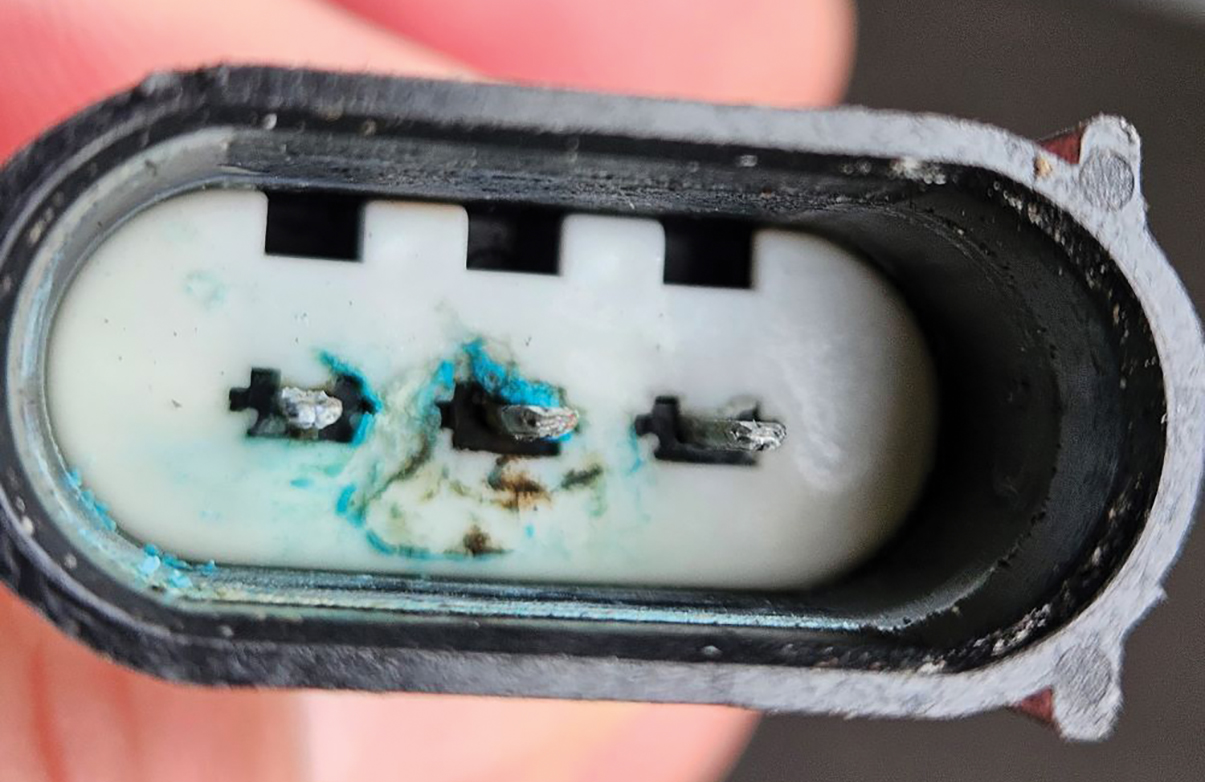
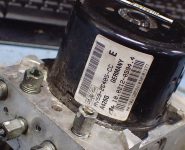
Dielectric grease has become a common topic of discussion lately, particularly when dealing with water-damaged modules.
“The question often asked is simple: is it useful or harmful? The answer, like most things in electronics, depends entirely on the application,” Get Electronic Director, David Bourke, said.
At its core, dielectric grease is designed to prevent moisture ingress.
“Applied correctly, it can protect connectors from water, oxygen, and contaminants that lead to corrosion,” David said.
“However, it is important to remember dielectric grease is also an insulator. If overapplied, especially in low-voltage systems, it can interfere with the very electrical connection you are trying to protect.
“In a typical 12-volt automotive application, filling a connector with grease in an attempt to fix an intermittent fault is rarely effective.
“By the time a connection becomes intermittent due to water ingress, the damage has already occurred, usually in the form of corrosion or electrolysis.
“Adding grease at this stage does not reverse the issue; it often complicates diagnostics for the next technician by masking the root cause and creating unnecessary mess.”
That said, there are valid use cases where extensive application is justified.
“One example comes from an industrial bottling plant where a non-IP-rated cabinet was routinely washed down with a fire hose,” David said.
“The control modules inside were repeatedly exposed to corrosive liquids, leading to frequent failures beyond economic repair.
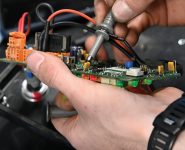
“In this case, a preventative approach was taken: a brand-new control board was coated with a conformal layer, followed by a soft encapsulating compound.
“The connectors were then filled with food-grade dielectric grease using a syringe, ensuring complete coverage down to the base of each pin.
“This eliminated the risk of water pooling and subsequent electrolysis and the board has now been operating reliably for over five years.”
High-voltage applications present a completely different scenario. Dielectric grease is commonly used on ignition coil boots, X-ray tube couplers, and other high-voltage interfaces.
“In these environments, moisture and surface contamination can lead to arc tracking,” David said.
“At higher voltages, electrical leakage across contaminated surfaces becomes significantly more likely, making moisture exclusion critical.
“Here, dielectric grease serves an essential role in maintaining insulation integrity.”
In conclusion, David says dielectric grease is a powerful tool when used appropriately.
“As always, proper diagnosis and preparation remain the most important steps in achieving a lasting repair.”
For more information, visit www.getelectronic.com.au