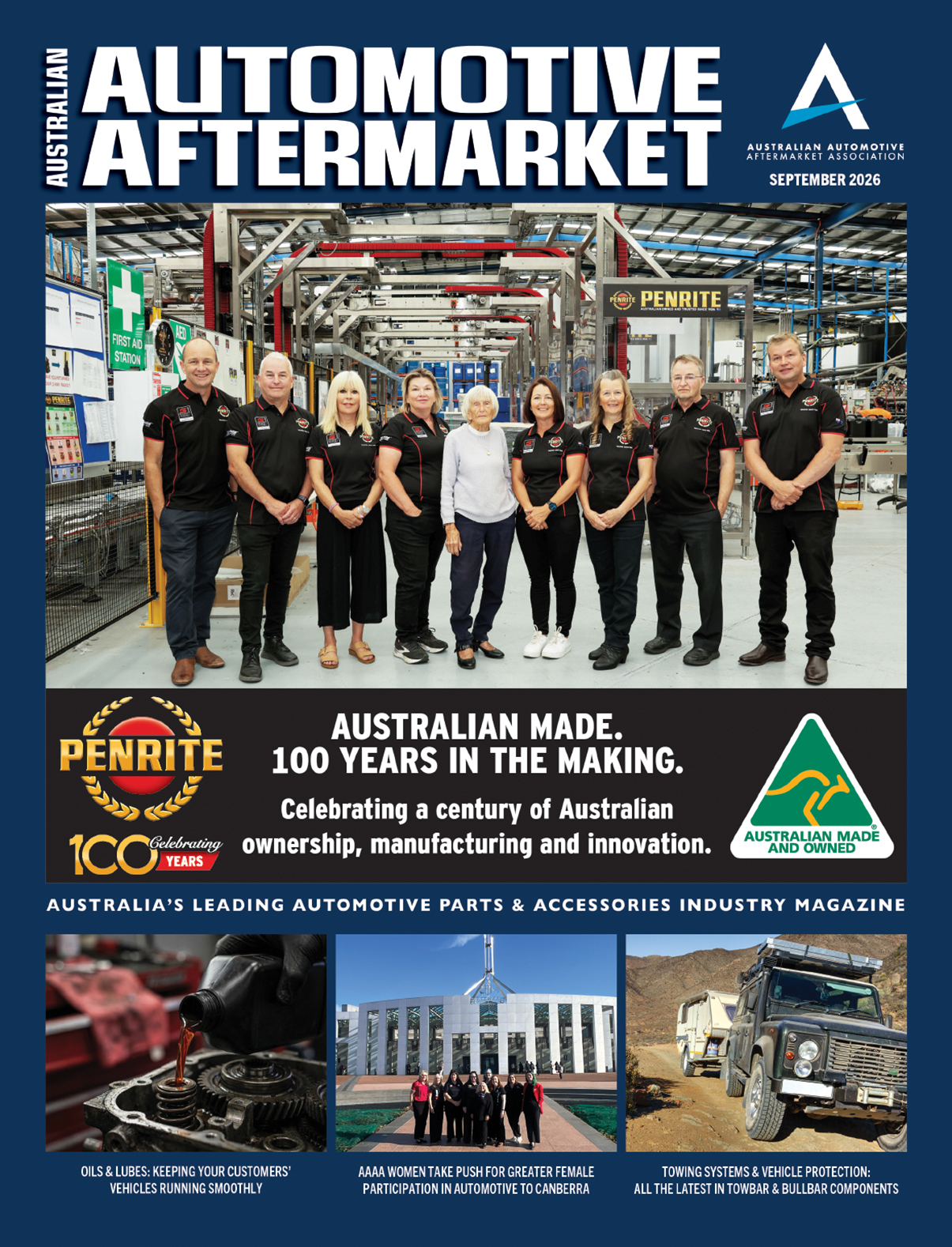

AUSTRALIAN MADE, 100 YEARS IN THE MAKING
Local manufacturing, technical innovation, and family ownership drives a century of capability behind the badge
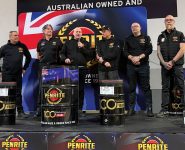
As Penrite celebrates its centenary, more than 300 products are set to carry the Australian Made logo.
The accreditation brings a trusted national symbol to a story that began on a Melbourne kitchen stove in 1926 and continues today through local manufacturing, technical innovation, and family ownership.
A trusted mark for products made here
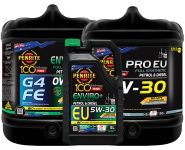
Penrite Oil has achieved Australian Made accreditation at a defining moment in its history, with more than 300 products set to feature the Australian Made logo on their labels.
The rollout is now under way, giving retail and trade customers a clear, familiar way to identify accredited Penrite products made in Australia.
“For the automotive aftermarket, that distinction matters. Product quality will always be the first consideration, but origin, capability and supply confidence are increasingly part of the purchasing decision,” Penrite Oil Chief Executive Officer, Toby Dymond, said.
“Workshops, retailers and motorists want to understand who stands behind a product, where it is made, and whether the supplier is committed to the market for the long term.
“The Australian Made logo reinforces those credentials at the point of choice. It connects the finished product on the shelf with the people, technical knowledge, manufacturing systems, and investment behind it.”
For Penrite, the timing is especially significant. The accreditation arrives as the company marks 100 years since its establishment in Melbourne, bringing a recognised national symbol to a century of Australian manufacturing.
Toby said the milestone reflects the company’s heritage and continuing commitment to local industry.
“Penrite has been part of Australia’s automotive and industrial landscape for 100 years now, so receiving Australian Made accreditation in our centenary year is incredibly meaningful,” Toby said.
“We are proud to manufacture products here in Australia and to continue supporting Australian jobs, suppliers, customers, and communities.”
Penrite Oil Head of Strategy and Customer Engagement, Priscilla Robb, said the logo also strengthens the connection between Penrite and the customers who rely on its products.
“This gives our customers even greater confidence when choosing Penrite and reinforces our commitment to quality, trust and Australian manufacturing,” Priscilla said.
“That commitment is not new. It has been built through successive generations, each responding to changing vehicles, customer needs, and economic conditions while protecting the values on which the company was founded.”
From a kitchen stove to an Australian oil company
The Penrite story began in Loch Street, St Kilda, with the initiative of sixteen-year-old Lazar Hirsh Mecoles, known as Les.
Chemistry had been his strongest subject at Melbourne High School and, on 6 March 1926, his sixteenth birthday, he formally started his own oil business.
Family history records that Les sold a prized leather coat to finance his first batch of oil. He blended oils and additives on his mother’s kitchen stove and, because he was too young to drive, delivered nearby orders with his father’s wheelbarrow.
Products for customers further away travelled by delivery service and train, creating an early customer network that followed Melbourne’s suburban and regional rail lines.
Les sourced base oils and additives from overseas, including high-quality Pennsylvania base oil. As the business grew, his younger brother Stan joined him.
The brothers needed a distinctive brand name and settled on Penrite, with “Pen” referring to Pennsylvania oil. The trademark was registered in the mid 1930s and production moved to larger premises on Hoddle Street soon afterwards.
“From the outset, Penrite was built around practical problem solving and close customer relationships,” Toby said.
“Les travelled to Sydney, Brisbane and Adelaide, selling to mechanics, farmers, factories and other businesses. Rural workshops, agricultural customers and industrial operators became an important part of the company’s growth, setting a pattern of direct market engagement that remains relevant today.”
During the Second World War, Penrite became a Commonwealth wartime contractor and produced goods supporting Allied campaigns in Europe and the Pacific.
By then, its range extended beyond oils and greases to batteries, workshop tools and other automotive products.
“The business endured depression, war, rationing, growing competition, and several relocations, emerging with a reputation for technical knowledge and persistence,” Toby said.
In 1951, Penrite Oil became a proprietary limited company. Technical credibility continued to grow, including the achievement of demanding Caterpillar lubricant test requirements in the early 1960s.
“By the 1970s, the business had moved to Brunswick and had become an established Australian lubricant manufacturer. However, with Les in poor health and no children to succeed him, the company needed a new custodian,” explains Toby.
A family takes the wheel
That custodian was John Dymond, known throughout the industry as JD. A mechanical engineer with experience at Vauxhall, BP, and additive specialist Lubrizol, JD understood both machinery and lubricant formulation.
His work across Australia and the broader region had shown him the stresses that heat, distance, and demanding operating conditions placed on vehicles.
In March 1979, JD and his wife Margaret purchased Penrite. It was a major commitment for a couple with nine children, a mortgage, and no previous experience owning a company.
“They invested their savings, mortgaged their home, and placed the family’s future behind the business,” Toby said.
“They also established a principle that would shape Penrite’s growth, expansion would be funded from profits, helping preserve control and build resilience.”
The early Brunswick operation was modest, and the Dymond family became its flexible workforce. Children filled bottles, attached labels, cleaned drums and folded invoices at home. JD handled formulation, blending, sales, promotion, and staff, while Margaret helped keep both the family and the company moving.
The breakthrough came from listening closely to Australian customers. JD believed many lubricants developed for European and North American conditions were not ideally matched to local vehicles, particularly older Holden and Ford engines experiencing oil consumption, heat and smoke. Following extensive customer, laboratory and racetrack testing, Penrite launched HPR 30, HPR 40, and HPR 50 in 1981.
The High Performance Range changed the company’s trajectory. Its multigrade, full zinc formulations addressed real problems faced by fleets, taxis, workshops, and owners of high mileage vehicles.
“It also established a product development philosophy that remains central to Penrite, understand the application, test under demanding conditions, and build a solution around the customer’s needs,” Toby says.
During the following decades Penrite expanded across Australia and New Zealand, developed company operations and closer retail relationships, and moved from predominantly bulk supply into branded packaged products.
Growth eventually required a purpose-built site at Wantirna, where manufacturing and national operations were consolidated during the 1990s.
Cars and motorsport were never separate from the business. JD spoke to car clubs, answered technical questions and used competition as both a proving ground and a direct connection with enthusiasts.
“That involvement built credibility among mechanics and owners who understood that lubricant performance is measured in real machinery, not simply in a marketing claim,” Toby says.
Local capability for a changing aftermarket
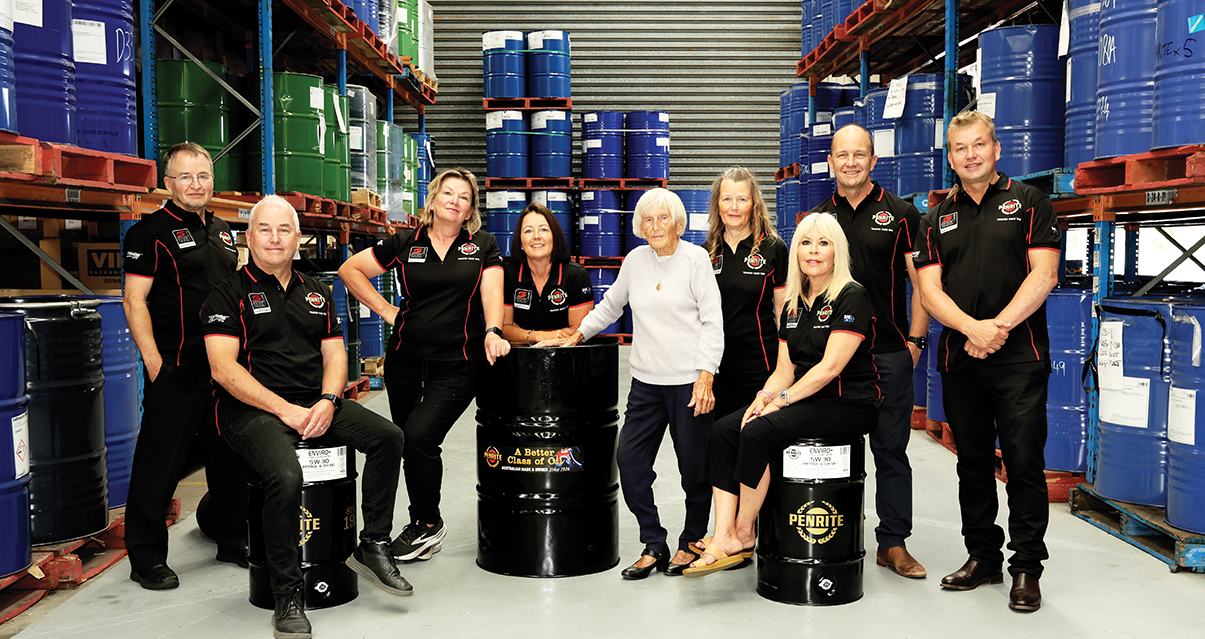
A new generation of Dymond family leadership took operational control in 2011. Toby strengthened customer focus, sales and marketing, while Nigel Dymond led production, product development, and innovation. Other family members continued to contribute across engineering, merchandising, administration, and major strategic decisions.
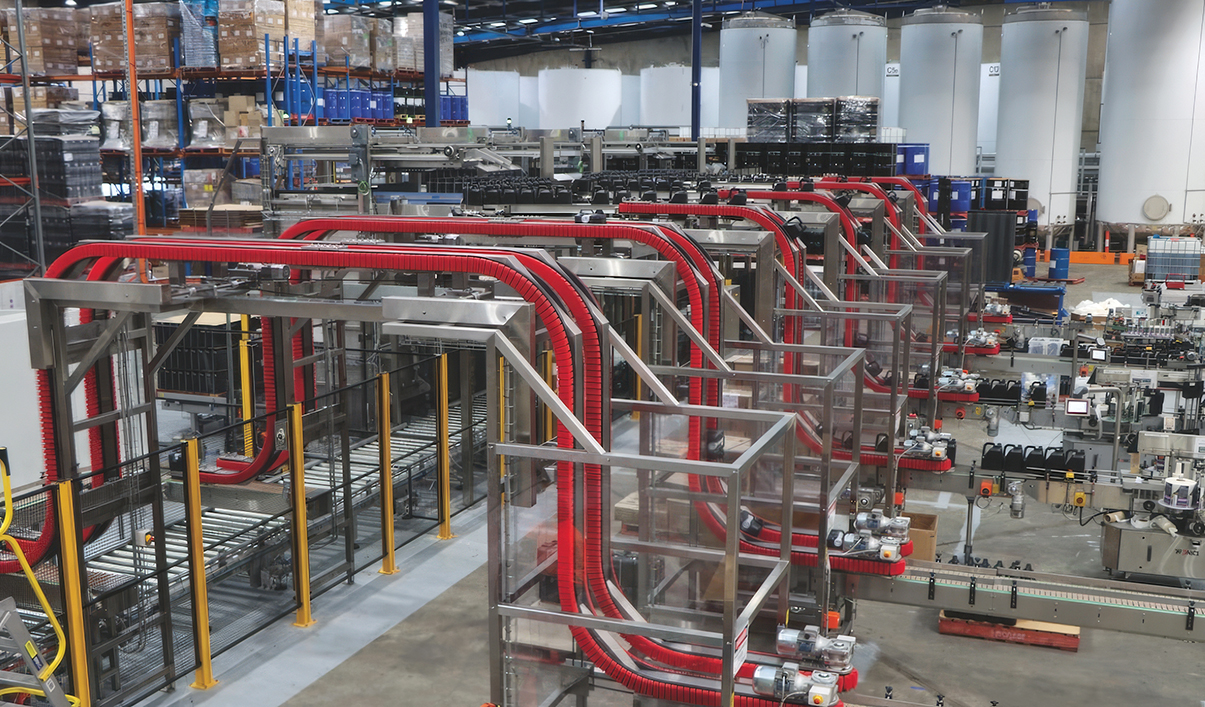
As demand grew, Penrite again invested in Australian capability. In 2016, the company purchased adjoining sites in Dandenong South and developed a larger production and warehousing operation. Blending tanks increased from 10,000 litres to 40,000 litres and holding capacity rose substantially, creating the scale needed to support a growing product range and national customer base.
The value of that investment became clear during the COVID pandemic.
“While office teams moved to remote work, production and warehousing continued under strict safety controls,” Toby explains.
“Australian manufacturing, company-owned warehouses, established supplier relationships, and long-term investment in property and people helped Penrite keep products moving through severe supply chain disruption.”
The site has since become a platform for advanced automation.
Working with Australian engineering business Recopak, Penrite has introduced computer-controlled blending, new tanks, sensors, robotic handling, automated palletising, and product tracking.
“A blending process that previously took around three hours was reduced to approximately fifteen minutes and the benefits extend beyond speed, with greater consistency, fewer manual handling risks and improved capacity for sustainable growth,” Toby said.
That capability supports a broad portfolio spanning engine oils, lubricants, coolants, additives, greases, and vehicle maintenance products across automotive, motorcycle, heavy-duty, agricultural, industrial, and performance applications.
It also allows Penrite to respond as the car parc evolves and the aftermarket balances older vehicles, modern combustion engines, hybrids, and emerging electric vehicle requirements.
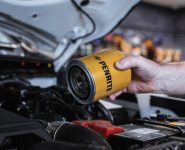
Penrite’s role in the broader aftermarket is also expanding. The 2025 acquisitions of Brandlines, whose portfolio includes Autolite Spark Plugs and Ezilift Gas Lift Supports, and Australian Automotive Parts has extended the company’s reach into automotive components.
“The strategy is clear, use a century of market knowledge, trusted relationships, and local infrastructure to serve more of the customer’s maintenance needs,” Toby said.
Still driven
Penrite enters its second century as an Australian family-owned company with local manufacturing at its core and operations across Australia and New Zealand.
“Our products and partnerships now reach well beyond the wheelbarrow delivery routes of St Kilda, but the foundations remain recognisable: technical curiosity, practical problem solving, close customer relationships and the confidence to invest for the long term,” Toby said.
“The Australian Made logo gives that story a clear expression on more than 300 accredited products.
“It tells customers that Australian manufacturing is not merely part of Penrite’s past. It is an active capability, supported by people, plant, technology and a continuing commitment to the local automotive and industrial sectors.
“A centenary invites reflection, but Penrite’s history is most valuable as a platform for what comes next.
“Vehicle technology will change, supply chains will continue to evolve, and customers will expect more from the brands they support.
“Penrite’s first 100 years show that longevity is not achieved by standing still. It comes from adapting without losing sight of what matters.
“From a kitchen stove and wheelbarrow to an automated Australian manufacturing operation, the scale has changed dramatically. The commitment to quality, local capability and customer trust has not. One hundred years on, Penrite remains Australian made, Australian family-owned and still driven.”
For more from Penrite Oil, visit www.penriteoil.com.au