

HOW TRANSMISSION FLUID SHAPES TCM SURVIVAL
This electronic control module is living in a hot bath of constantly heat-cycling oil, explains Get Electronic
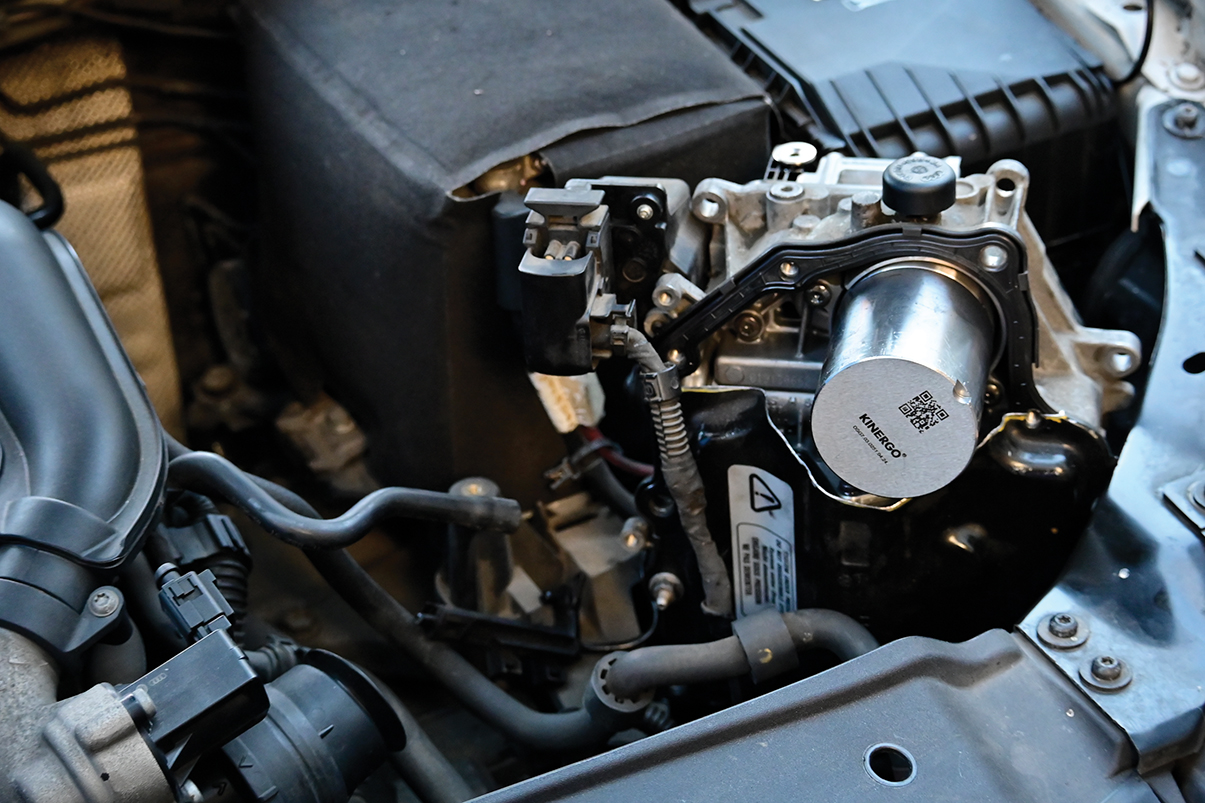
On many modern transmissions, the Transmission Control Module (TCM) forms part of the mechatronic assembly and lives inside the transmission itself.
Every time the vehicle is driven, that electronics assembly is subjected to repeated heating and cooling cycles, transmission fluid, mechanical vibration, and a huge range of operating frequencies as engine and transmission speeds constantly change.
“It is actually a pretty hostile environment for electronics. And eventually, we see the results,” Get Electronic Director, David Bourke, said.
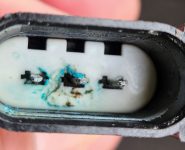
“Temperature sensor failures, pressure sensor faults, output-driver and MOSFET failures, damaged solder connections and internal electronic faults are just some of the problems we regularly encounter.
“The difficult part? Many of these components were never designed to be individually serviced.
“A manufacturer may consider the entire mechatronic or TCM assembly as one replaceable component.
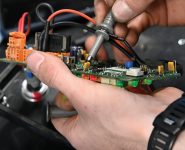
“At an electronics repair laboratory, however, we can go much deeper – testing and repairing the individual electronic components, sensors, connections, and circuitry inside the assembly.”
Alongside repair, David says transmission servicing has a key part to play as well.
“Everyone has heard the claim that some transmissions are ‘sealed for life’ or that the transmission fluid never needs changing. Those of us in the trade know it isn’t quite that simple,” David said.
“Transmission fluid has a very important job. It isn’t just lubrication – depending on the transmission design, it is involved in hydraulic operation, cooling, clutch operation, and contamination management.
“As the transmission ages, heat cycles accumulate and the fluid can degrade. Wear material and contamination can build up, while mechanical wear can introduce additional vibration and pressure irregularities.
“Does missing a transmission service automatically destroy a TCM? No. But could poor servicing, excessive operating temperatures, contamination, or mechanical problems create an environment that accelerates the failure of an already highly stressed electronic component? Absolutely!”
David encourages readers to consider a pressure sensor built directly into a mechatronic assembly, stating, it may be considered a “non-serviceable” component by the manufacturer, yet it spends its entire operating life exposed to transmission fluid and everything circulating within it.
“The same applies to delicate electronic connections and semiconductor dies subjected to thousands of thermal cycles and countless hours of vibration,” David said.
“So perhaps the better question isn’t: ‘why did my transmission control module fail?’ It might be, ‘considering where we decided to put it, how did it survive for so long?’”
For more from Get Electronic, please visit www.getelectronic.com.au