
ADAPTIVE RIDE CONTROL
Arnott says Adaptive Ride Control offers a growing opportunity for the Aftermarket
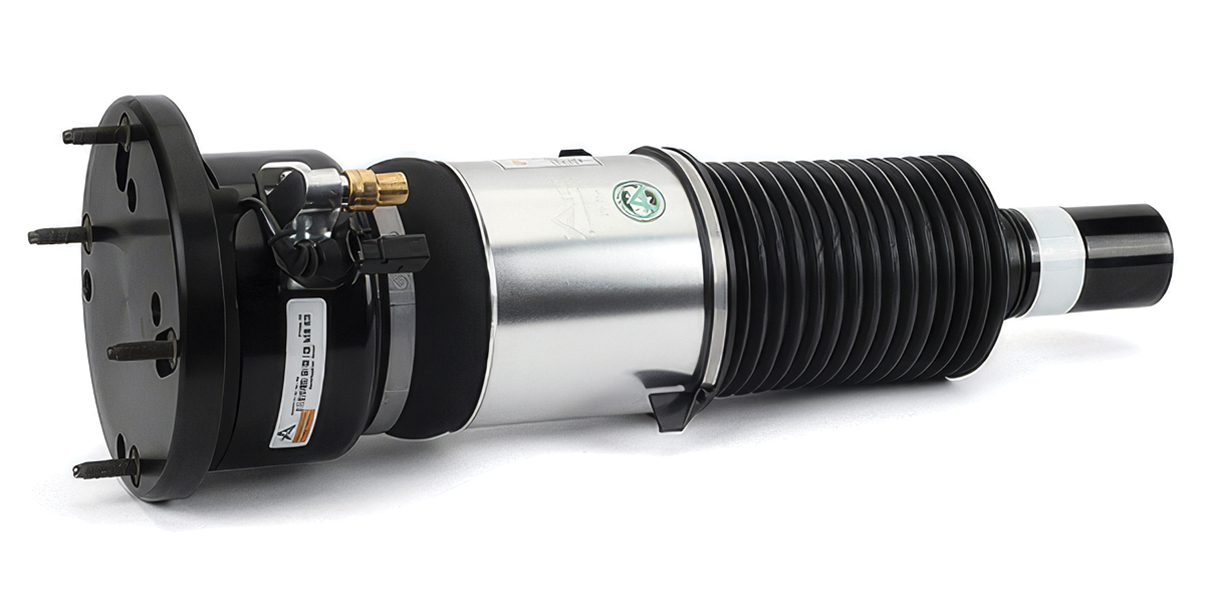
Adaptive Ride Control is becoming more common in the Australian car parc.
Once reserved for luxury sedans, premium SUVs, and performance vehicles, electronically controlled damping is now appearing on mainstream platforms as manufacturers add comfort, handling, and driver-selectable ride modes.
For distributors, resellers, and workshop owners, Arnott says this is more than a technical shift.
As these vehicles age into independent repair channels, customers will expect options that preserve original comfort and control features without forcing them back to the dealership.
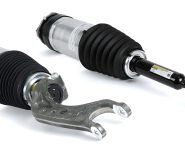
An adaptive damping system typically includes electronically controlled dampers, a suspension control module, body and wheel sensors, and a driver mode switch.
It monitors inputs such as speed, steering angle, braking, throttle position, ride height, and body movement, then adjusts the damping force at each corner in milliseconds.
That complexity makes correct replacement critical. Many systems use continuously variable dampers that respond across a wide damping range.
If a replacement does not match the vehicle’s control strategy, the result can be warning lights, reduced functionality, poor ride quality, or customer dissatisfaction.
Through Australia’s Motor Vehicle Service and Repair Information Sharing Scheme, workshops can access the critical service and repair information needed to properly diagnose and service these systems.
For adaptive ride control, that includes accurate repair data, diagnostic procedures, calibration requirements, and technical support, allowing for safe and competitive repairs.
The business opportunity
The business case is clear, says Arnott, which states OE replacement costs can create price resistance, while passive conversion may remove the factory ride modes customers paid for.
Arnott says quality adaptive aftermarket replacements give workshops another path: retain designed functionality while offering a competitive repair option.
For the supply chain, Arnott says this creates demand for application-specific products supported by accurate cataloging, availability, and training.
It states that distributors and resellers that understand adaptive damping will be better positioned to support workshops and reduce incorrect part selection.
Supporting modern repair choice
Arnott explains that its eRide technology is developed on an application-by-application basis to communicate with the vehicle’s existing ride-control system and deliver ride and handling performance aligned with original-equipment expectations.
For Australian workshops, it says this means a replacement option designed for fit, function, and system integration.
As adaptive systems become more common, the aftermarket’s role will continue to expand.
The opportunity is not only to replace parts, but to protect consumer choice, support independent repair, and help Australian motorists keep modern suspension technology working as intended.
For more from Arnott, visit www.arnottinc.com