
BUILT TO CARRY MORE
Modern 4WDs are doing more work than ever before
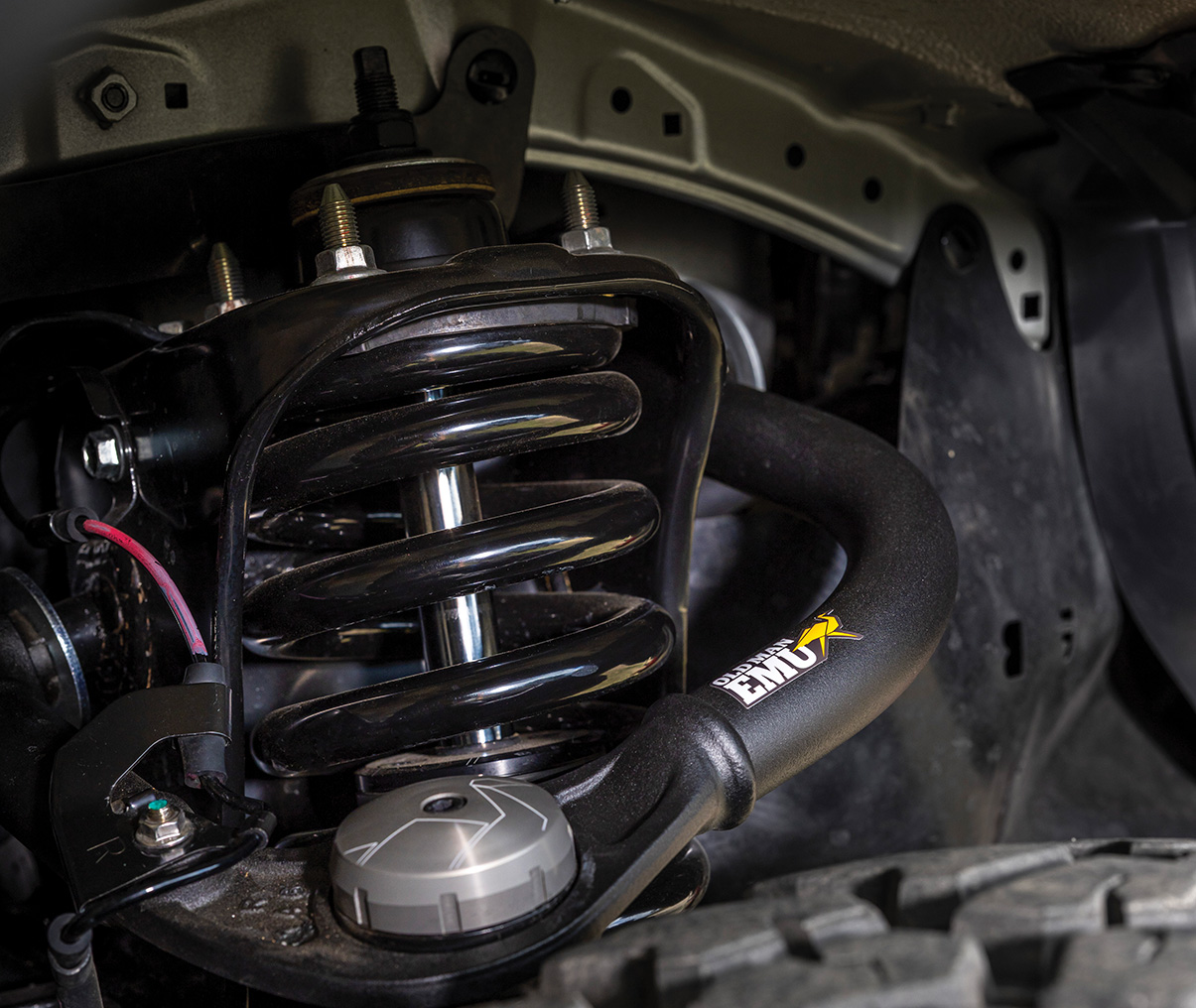
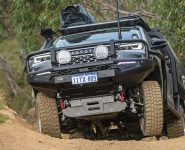
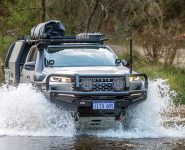
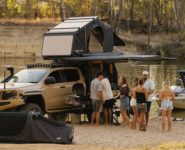
Between bull bars, winches, canopies, drawer systems, rooftop tents, towing setups and touring gear, it doesn’t take long for a standard vehicle to end up carrying significantly more weight than it was when it rolled off the showroom floor.
That growing demand is one of the biggest reasons suspension and GVM upgrades have become such an important part of the aftermarket industry.
Today’s customers aren’t simply looking for lift kits or a tougher stance – they want vehicles that remain stable, predictable and compliant once the accessories and load start adding up.
And increasingly, workshops are being asked to deliver exactly that.
More than springs and shocks
Suspension upgrades are often simplified down to heavier springs and replacement shock absorbers, but a properly engineered system involves far more than that.
Modern 4WD platforms are complex and small changes to ride height, weight distribution or spring rate can significantly affect vehicle behaviour.
A suspension system needs to work as a complete package. Springs support the load and maintain ride height, while shock absorbers control the movement of the suspension itself.
The balance between the two is critical. Get it right and the vehicle feels controlled and composed under load. Get it wrong and issues like excessive body movement, poor ride quality and unpredictable handling quickly appear.
That’s why vehicle-specific development has become increasingly important across the aftermarket sector.
At ARB, suspension development begins long before parts are physically fitted to a vehicle.
New platforms are analysed in standard form, with corner weights measured, suspension geometry assessed and on-road and off-road testing carried out across varying load conditions.
From there, engineers evaluate spring rates, damper tuning, wheel travel and driveline clearances to develop a matched system suited to the vehicle’s intended use.
ARB says it is an approach that recognises a lightly accessorised daily driver behaves very differently to a heavily loaded touring vehicle towing a caravan.
The growing focus on GVM
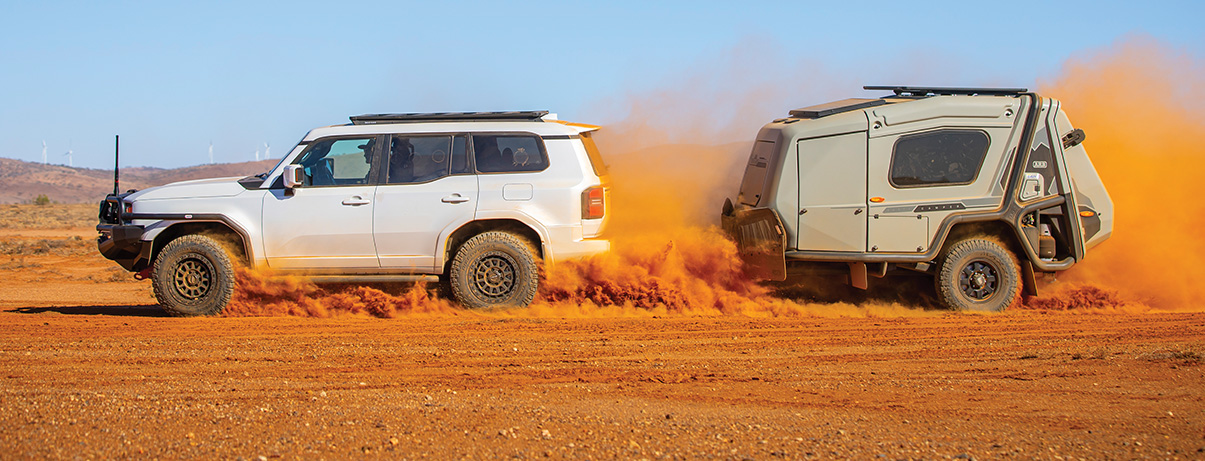
As vehicle weights continue climbing, Gross Vehicle Mass has become a major consideration for both workshops and owners.
GVM refers to the maximum legal operating weight of a vehicle, including passengers, accessories, fuel, luggage, and tow ball download.
While many modern 4WDs offer impressive towing figures, payload can often become the limiting factor once accessories and touring equipment are added.
That creates a growing challenge across the industry. Customers want capable touring vehicles, but they also expect safe handling, reliable braking performance and legal compliance.
A properly engineered GVM upgrade addresses more than just carrying capacity. Suspension geometry, braking performance, handling characteristics and overall vehicle stability all need to remain within compliance requirements at the increased operating weight.
For workshops, that makes choosing a complete, tested system increasingly important.
ARB explains that its Old Man Emu range includes a variety of integrated suspension and GVM upgrade solutions developed specifically around Australian conditions and vehicle applications.
Rather than taking a universal approach, systems are designed around how vehicles are actually used, including towing, constant loads and long-distance touring.
Different vehicles, different requirements
One of the biggest shifts in the suspension market has been the demand for more application-specific solutions.
Not every customer requires the same outcome, and no single suspension package suits every vehicle.
A dual cab ute carrying tools and equipment every day requires a very different setup to a weekend touring wagon or an overland build towing a camper trailer around the country.
That’s why modern suspension ranges now offer multiple tiers of performance and capability.
ARB states that the Nitrocharger Plus twin-tube shock absorber remains a popular all-round solution for many applications thanks to their durability, ride comfort and ability to comfortably manage moderate accessory loads.
ARB explains they continue to suit a broad range of vehicles used for commuting, towing and recreational touring.
For heavier touring applications and vehicles spending extended time on corrugations, MT64 shock absorbers have a monotube design offering improved heat management and damping consistency.
Larger oil volumes and improved cooling characteristics help maintain control over long distances in harsh conditions, particularly when vehicles are carrying sustained loads.
At the premium end of the market, ARB points to the BP-51 shock absorbers which have an adjustable bypass system, allowing for more precise tuning depending on terrain, driving style and vehicle configuration.
It says these systems are increasingly popular among customers looking for greater control and adaptability across changing conditions.
The common thread across all of them is proper integration between springs, dampers and vehicle load requirements.
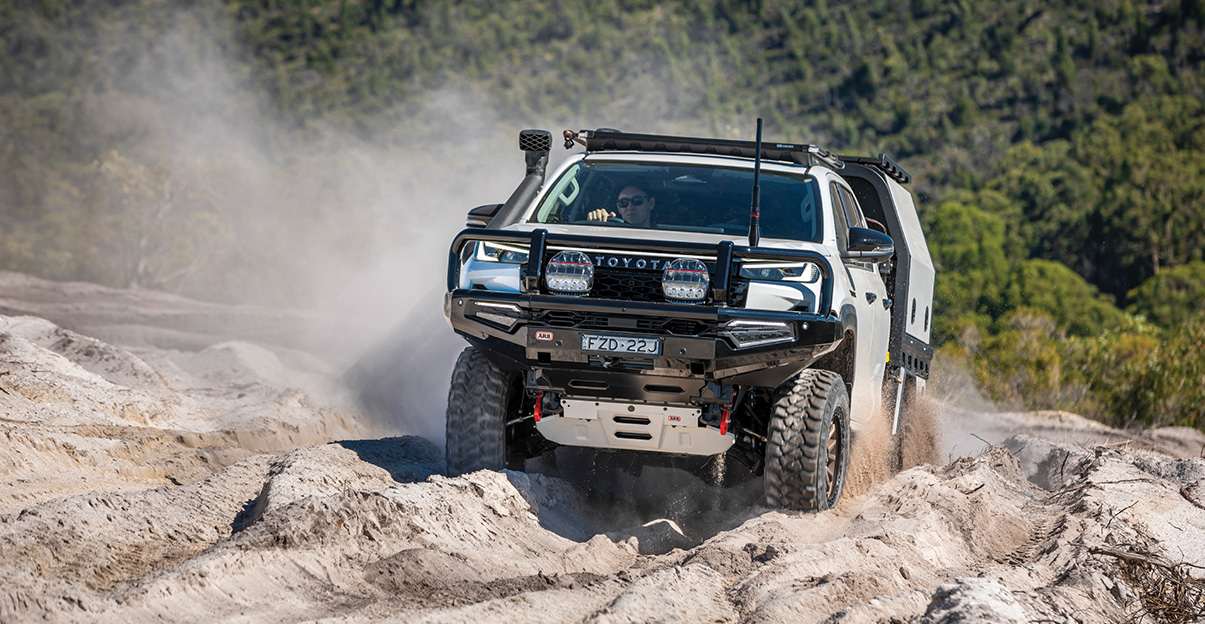
Engineering for real-world use
Customer expectations around suspension performance have changed significantly over the past decade.
Modern 4WD owners expect vehicles to remain comfortable on-road while still handling heavy loads and demanding off road conditions. Meeting those expectations requires extensive testing and development.
At ARB, suspension systems are tested across a range of environments including highways, corrugations, low-speed off road terrain and fully loaded touring conditions.
Heat management, damping consistency and long-term durability all play a critical role in overall system performance, particularly in Australian conditions where sustained rough-road use is common.
ARB says that engineering focus has also become increasingly important as new vehicle platforms grow more sophisticated.
Electronic safety systems, advanced chassis designs and tighter compliance requirements mean suspension development now requires far more precision than simply increasing spring rate or ride height.
For workshops and fitters, that shift reinforces the importance of vehicle-specific solutions backed by proper testing and compliance processes.
A critical part of the modern build
As vehicle weights continue increasing and customer expectations evolve, suspension has become one of the most important components in any 4WD build.
Done properly, a well-matched suspension system improves vehicle control, maintains ride height under load and helps ensure predictable handling across a wide range of driving conditions.
Combined with compliant GVM upgrade solutions where required, it allows modern 4WDs to safely and confidently handle the demands being placed on them.
For the aftermarket industry, that makes suspension far more than just an accessory category.
It has become a critical part of building vehicles that are capable, compliant and properly equipped for real-world use.
To learn more about ARB’s Old Man Emu suspension and GVM upgrade range, visit your local ARB store or head to www.arb.com.au