
MODERN VEHICLES CHANGED. DID WORKSHOP OPERATIONS?
Across the aftermarket, components are now increasingly integrated with electronics, sensors, control units and software
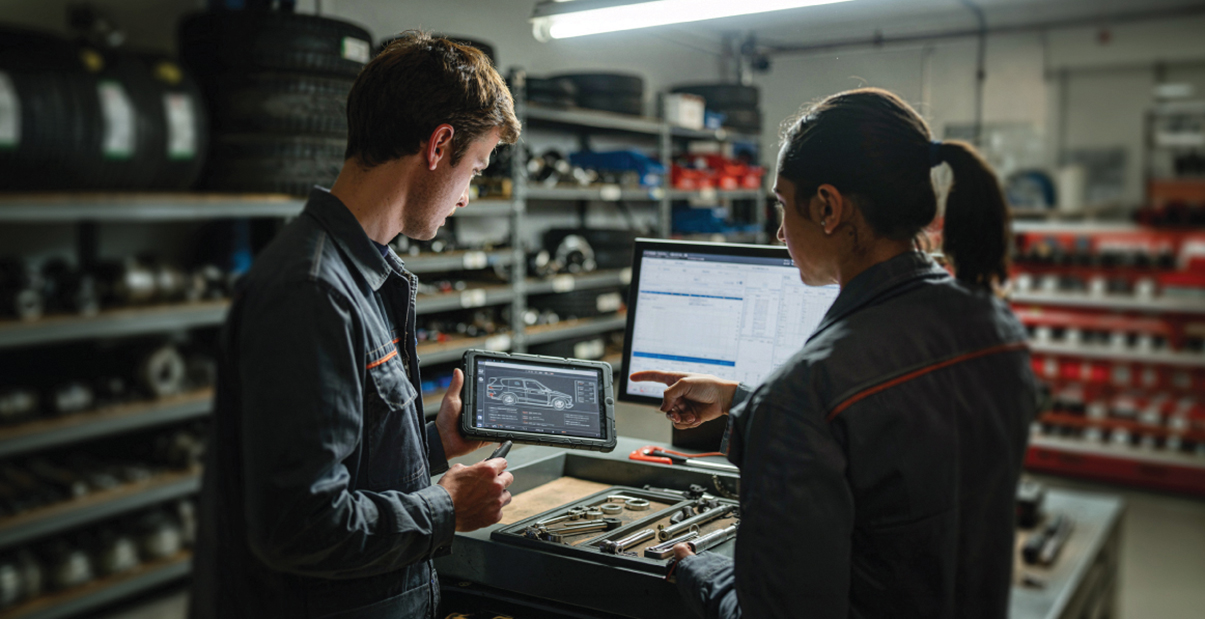
The complexity of modern vehicles means technicians rely heavily on accurate information, structured workflows, consistent data capture, clear histories, documented diagnostics and visibility across previous work.
As vehicle systems become more intelligent, the margin for miscommunication becomes smaller.
Modern workshops must ensure that diagnostic findings, customer approvals, parts sourcing, and technician notes remain connected throughout the life of the job.
When that chain breaks down, the risk is both technical and commercial.
Rework, delays, and unclear job histories can erode both efficiency and customer confidence.
This is why discussions around workshop management systems are increasingly important.
As vehicles and customer expectations continue to evolve, workshops will need to place greater emphasis on clarity, consistency, and control across their daily operations.
From the moment a booking is created through to invoicing and follow-up communication, having connected processes helps reduce uncertainty and improve visibility.
Clear job histories, structured workflows, and reliable record-keeping support both technicians and front-of-house teams.
When information flows smoothly between quoting, approvals, parts ordering, and final billing, workshops are better equipped to minimise delays, avoid misunderstandings, and maintain professional standards.
As operational demands grow, the role of well-structured workshop management systems becomes an increasingly important part of running a sustainable, scalable business.
It is no surprise that this broader operational conversation is becoming more prevalent across the industry, particularly as the aftermarket prepares for major gatherings such as the 2026 Australian Auto Aftermarket Expo (AAAE) at the Melbourne Convention and Exhibition Centre (MCEC) in May.
Events like AAAE are not just about vehicle components on display.
They offer an opportunity to step back and consider how evolving vehicle technology is shaping workshop workflow, business systems, and long-term growth.
It is a chance for the industry to come together, share perspectives, and explore practical ways to adapt to increasing complexity.
Exhibitors, including Megabus Software at Booth M48, look forward to being part of those conversations and connecting with workshops navigating these changes every day.
For more information, visit www.megabus.com.au