
TARIFFS, TRADE WARS, AND THE RISING COST OF PARTS
Three forces are hitting the Australian aftermarket at once – Fifth Quadrant says the businesses that will navigate this best are the ones using data to move early
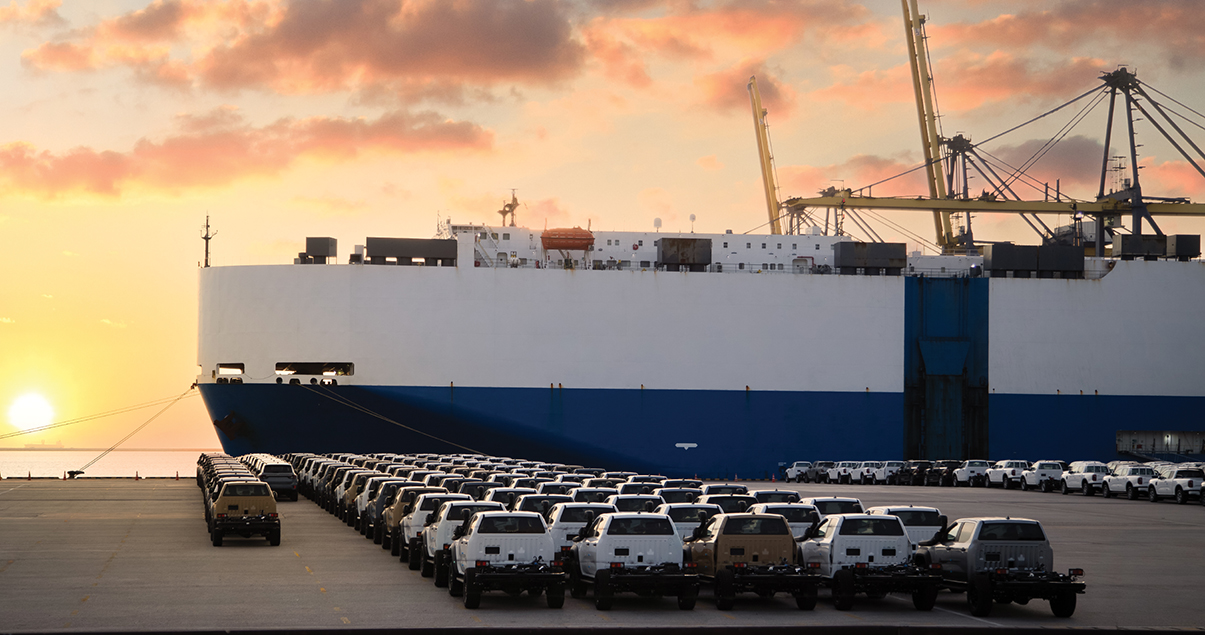
Fifth Quadrant outlines these three forces as rising tariffs on vehicles and components from key import markets; a global EV investment correction that is disrupting the parts development pipeline; and a wave of Chinese-manufactured vehicles entering the Australian car parc faster than supply infrastructure can keep up.
Each would be manageable in isolation, but together, they are reshaping sourcing, pricing, and planning across the sector.
Rising tariffs, rising input costs
The current US administration has imposed tariffs on vehicles and components from Canada, Mexico, Japan, and Germany.
When an importer’s cost base rises, the options are limited: absorb the increase, pass it through, or reduce range.
Analysis of US dealer listings found that Canadian-assembled vehicles rose roughly 10 percent in retail price within seven months of tariffs being imposed.
Australia imports heavily from all four markets, and the flow-on effects are already reaching local supply chains.
Adding to this, the US-Mexico-Canada trade agreement is due for review in July 2026. If it is restructured or abandoned, component sourcing across North America shifts, and the aftermarket supply chain that feeds Australian distributors shifts with it.
EV programme uncertainty and parts pipeline risk
But tariffs are only one part of the picture. The global auto industry has absorbed more than $65 billion in EV-related write-downs over the past year.
OEMs are cutting programmes, pushing out launch dates, and renegotiating supplier contracts. For the Australian market, models expected in local fleets by 2027 may arrive later, in different specification, or not at all.
This leaves parts manufacturers facing the same uncertainty, committing engineering resources and tooling to platforms that may be delayed, redesigned, or cancelled.
While they can hold back from committing now, the risk is falling behind on product availability for the models that do make it to market.
Chinese brands and the aftermarket readiness gap
As traditional OEMs recalibrate, one group of manufacturers is largely insulated from these headwinds.
Chinese brands sold close to 200,000 new vehicles in Australia in 2025, up 40 percent on the prior year and representing 16 percent of the total market.
BYD and Chery more than doubled their volumes year on year, while GWM overtook MG to become the second largest Chinese brand in the market.
Despite warranty periods of seven to ten years, many of these vehicles will emerge from OEM service networks by the early 2030s, and the aftermarket needs to be ready.
The challenge here is that the parts supply chains supporting these brands are still developing, and workshop access to service information, diagnostic tools, and replacement parts remains inconsistent.
Looking ahead
Ultimately, all of these forces compound each other, creating risk and uncertainty for unprepared manufacturers, distributors, retailers and workshops.
Tariff-driven cost pressure squeezes margin on traditional parts lines. EV programme uncertainty makes it harder to commit capital to next-generation platforms. And the fastest-growing vehicle segment in the market is one where aftermarket supply infrastructure is least mature.
The businesses that will navigate this best are the ones using data to move early, mapping their supply chain exposure, pressure-testing their sourcing assumptions, and building the flexibility to pivot as conditions shift. Waiting for clarity is a strategy – it is just not a good one.
Ben Selwyn is Director of Fifth Quadrant, the AAAA’s research partner for the Aftermarket Dashboard and Car Parc Tool.
For more information, visit www.fifthquadrant.com.au or contact ben@fifthquadrant.com.au