

VARIABLE GEOMETRY TURBOCHARGERS
GCG Turbochargers have been selling, repairing and building turbos for the Australian market since 1979
In a traditional turbocharger, the exhaust flow is controlled by a wastegate.
Mounted either internally (within the turbine housing), or externally, a wastegate regulates boost pressure by venting exhaust gases.
This allows the turbo to build boost quicker at low RPM (wastegate closed) and prevents overboosting at high RPM (wastegate open).
The wastegate system is simple and reliable but it’s not very precise and the increasing demands of modern engines, as well as stricter emission controls forced turbo manufacturers to look for a new solution to address these issues.
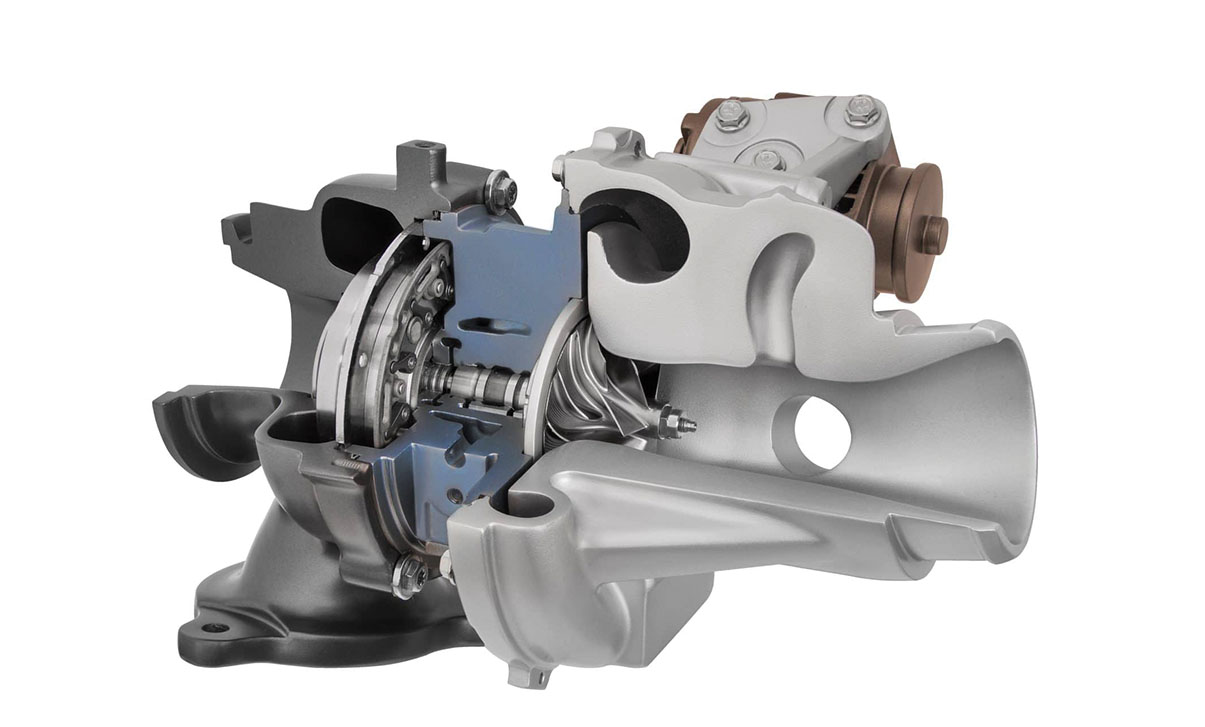
Instead of a wastegate, a variable geometry turbo controls exhaust flow using a row of small, moving vanes.
Placed around the inner perimeter of the turbine housing, these vanes are controlled by an actuator, which moves them into a closed position or progressively opens them all the way up.
In their closed position, the vanes reduce the internal diameter of the turbine housing, narrowing the available flow path for the exhaust gases.
As the vanes move into the open position, exhaust flow slowly increases until the vanes are fully open and a full flow path is again available to the exhaust gases.
Using its VNT technology, a turbocharger can match the engine’s exact boost requirement.
The beauty of this system is that it is linear. The vanes are constantly working, with the actuator adjusting the flow to suit the engine’s needs.
Compared to fixed geometry turbos, the VNT units offer better performance, more power and torque and a reduction in back pressure. For the vehicle owner that translates to better driveability, fuel efficiency and reduced emissions.
VNT technology was originally developed by Garrett and initially intended just for diesel applications. However, Garrett has since adapted the technology for higher temperature petrol engines.
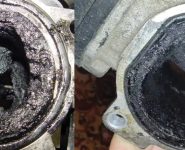
Like all engine components, preventative maintenance is key. GCG recommends using products like JLM’s Air Intake Cleaner, EGR Cleaner, Turbo Cleaner and DPF Cleaner to fight carbon build up before it becomes a problem.
Regular, scheduled servicing, oil flushes and oil changes will go a long way to prevent oil Contamination; while ensuring all turbo oil feed lines are in a good condition, free flowing and free of kinks or leaks will prevent oil starvation.
For more information, visit www.gcg.com.au or call 1300 TURBOS.