

HOW REDUCED OBSOLESCENCE CREATES A MORE SUSTAINABLE SUPPLY CHAIN
Clutch Industries says its UniClutch system delivers environmental and operational benefits
Environmental improvement in the automotive aftermarket is often associated with cleaner vehicles, recycled materials, and greater fuel efficiency.
However, meaningful environmental gains can also be achieved by reconsidering how replacement parts are designed, stocked, and distributed.
Thousands of clutch kits are required to service the majority of vehicles in the Australian market.
As vehicle populations change and demand for individual applications declines, slow-moving stock can remain in warehouses for extended periods or eventually become obsolete.
This occupies valuable warehouse space, ties up resources, and increases the likelihood that unused products and packaging will ultimately require disposal.
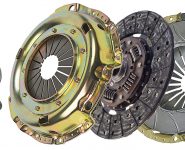
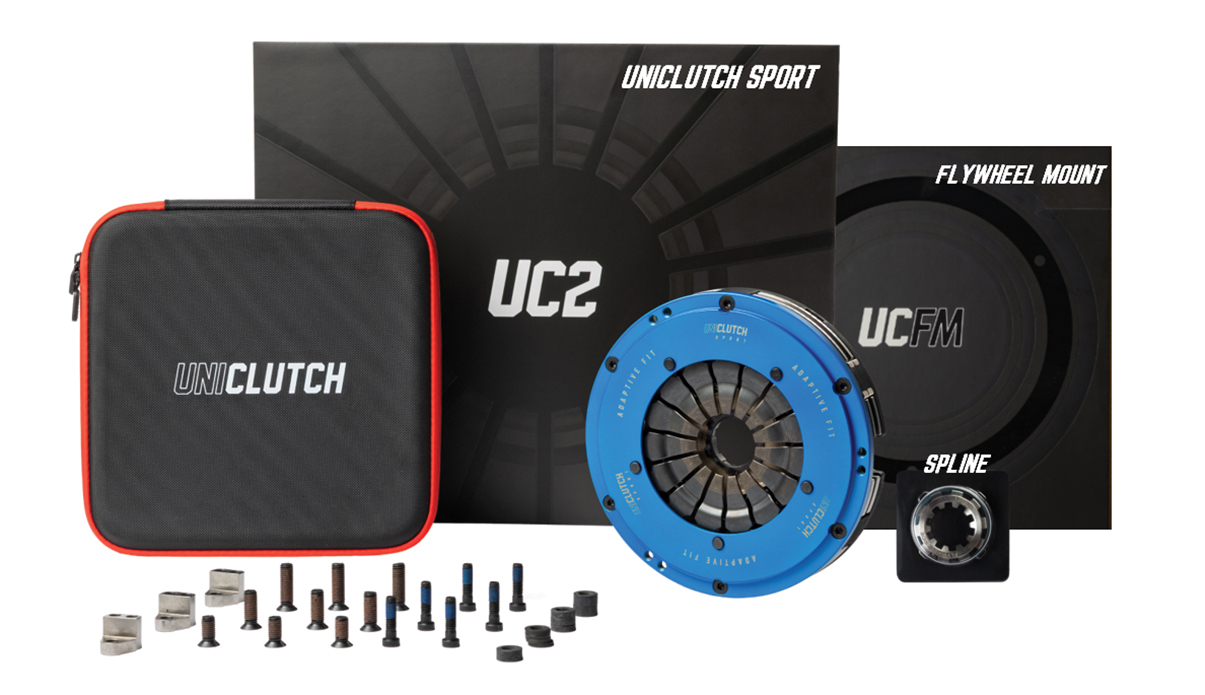
Australian manufacturer Clutch Industries explains its UniClutch uses a modular fitment system which separates the clutch core from the vehicle-specific components required for installation.
This allows a relatively small range of clutch cores to be matched to thousands of vehicle applications using purpose-designed fitment kits.
If demand changes or an application is updated, the complete clutch assembly does not become obsolete. Instead, the relevant fitment components can be updated, replaced or replenished independently.
For distributors, retailers and workshops, the system provides broad vehicle coverage without requiring an extensive inventory of complete, application-specific clutch kits.
In the warehouse space normally occupied by approximately 10 traditional clutch kits, the UniClutch system can support applications which would otherwise require hundreds of conventional kits.
Clutch Industries says this product consolidation delivers environmental and operational benefits throughout the supply chain.
Carrying fewer complete clutch kits can also improve supply-chain efficiency. Reduced SKU duplication means less warehouse space is required, inventory investment can be concentrated into faster-moving products, and stock can be positioned more effectively throughout the distribution network.
Improved product availability may also reduce emergency freight, inter-branch stock transfers, and repeat deliveries caused by the correct application-specific kit not being available in the required location.
Clutch Industries says the UniClutch system demonstrates how intelligent product design can improve environmental performance beyond traditional initiatives such as materials, packaging, and manufacturing processes.
By reducing the risk of obsolescence, consolidating inventory, and creating a more efficient supply model, modular systems can help the aftermarket maintain broad vehicle coverage while using fewer resources.
For an industry responsible for supporting an increasingly diverse and ageing vehicle population, smarter inventory management may be just as important as smarter manufacturing, says Clutch Industries.
To learn more, explore the UniClutch range at www.uniclutch.com.au or visit your local Repco or NAPA Auto Parts branch.