

PROVIDING AUSTRALIA’S AUTOMOTIVE WORKSHOPS WITH ACCESS TO TOP LEVEL DIAGNOSTICS
From ECU repairs to advanced diagnostics and ADAS calibration, Logicar continues to strengthen the independent workshop sector nationwide
For more than 25 years, Logicar has operated with a clear purpose: ensuring Australia’s independent workshops have access to the same level of diagnostic and workshop capability as the dealer networks.
What began as Petro-ject – a business focused on ECU repairs and technical training – has evolved into a national specialist distributor of advanced workshop equipment.
Many long-standing technicians still remember those early days, when engine control modules were emerging as a new frontier and technical knowledge was becoming as valuable as mechanical skill.
That early emphasis on diagnostics was not accidental. It laid the foundation for what Logicar would become.
“Our business started with ECU repairs and technical training,” Logicar Chief Executive Officer, Colette Kirby, said.
“From those early beginnings, we recognised that independent workshops needed access to advanced diagnostic tools and equipment that were previously only available to OEM franchises.”
In its early days – originally backed by a major dealer group Stillwell Motor Group – Logicar identified a growing imbalance in the market.
Vehicles were becoming more sophisticated, yet independent operators often lacked the equipment and factory-level data access required to service them effectively.
Rather than simply supplying tools, the business positioned itself as a technical partner.
Today, privately owned and operating nationally, Logicar supports workshops across every state and territory through equipment sales, installation, servicing and technical support.
Its reach extends beyond Australia into New Zealand, Papua New Guinea, and Fiji, reflecting the portability of its technical expertise and supply network.
From diagnostics to full workshop capability
While diagnostics remain central to its identity, Logicar’s portfolio now spans the broader workshop environment.
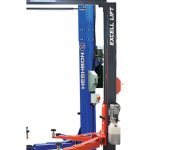
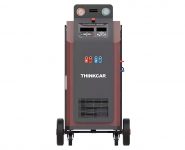
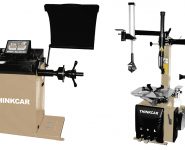
Core product lines include hoists, tyre changers, wheel aligners, wheel balancers, and general service equipment – the foundational infrastructure of a productive workshop floor.
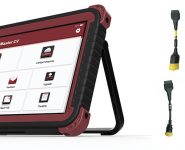
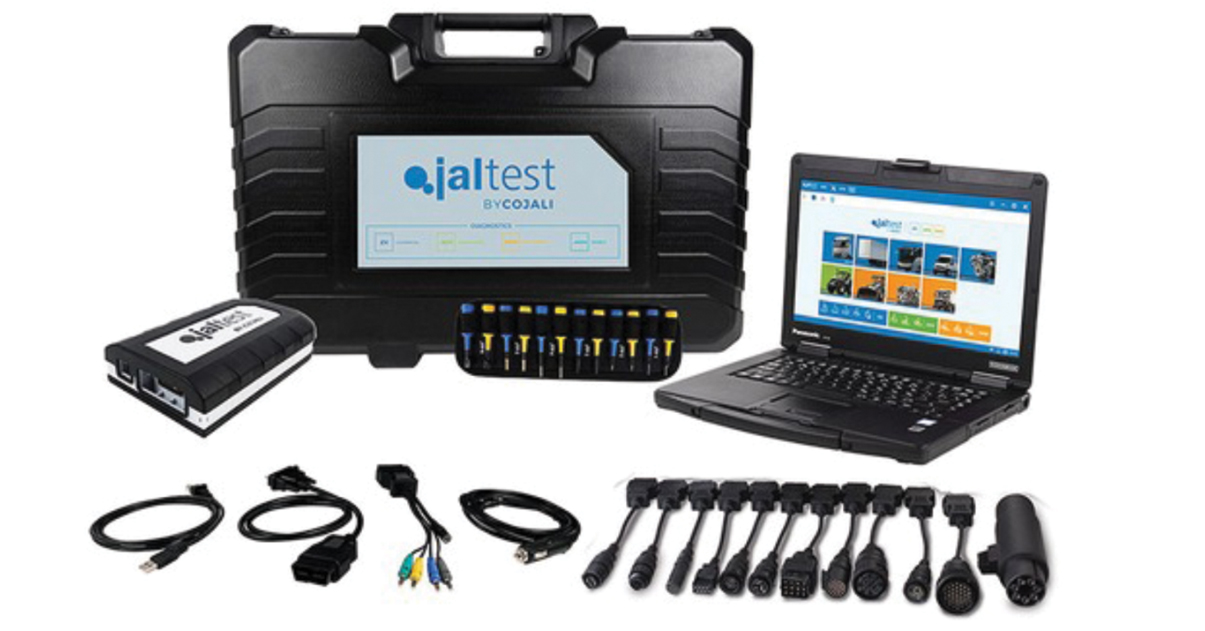
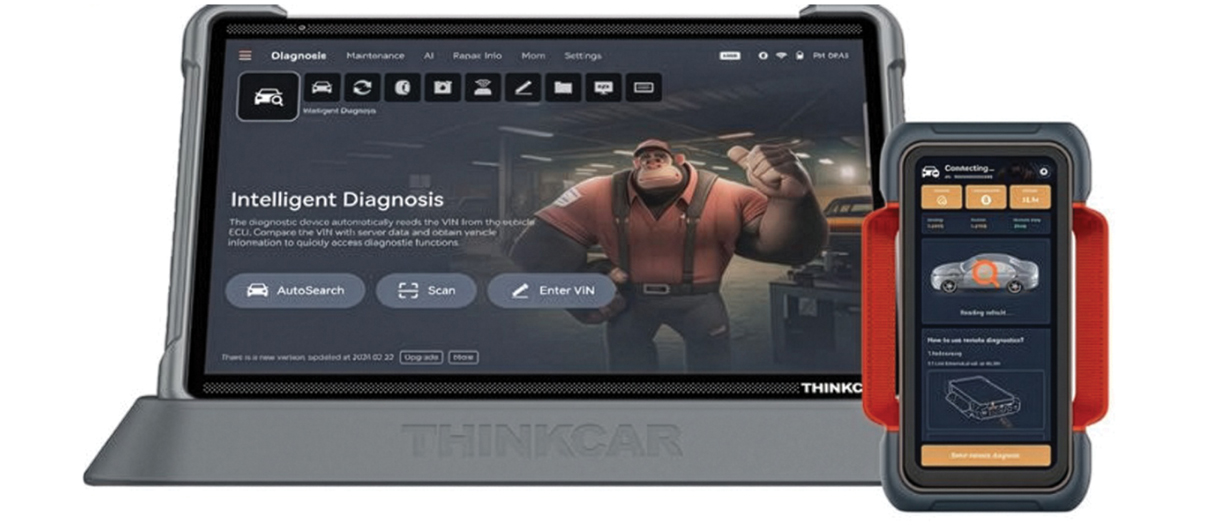
Layered over that are advanced diagnostic platforms covering passenger vehicles, EVs, trucks, AGVs, and even marine applications.
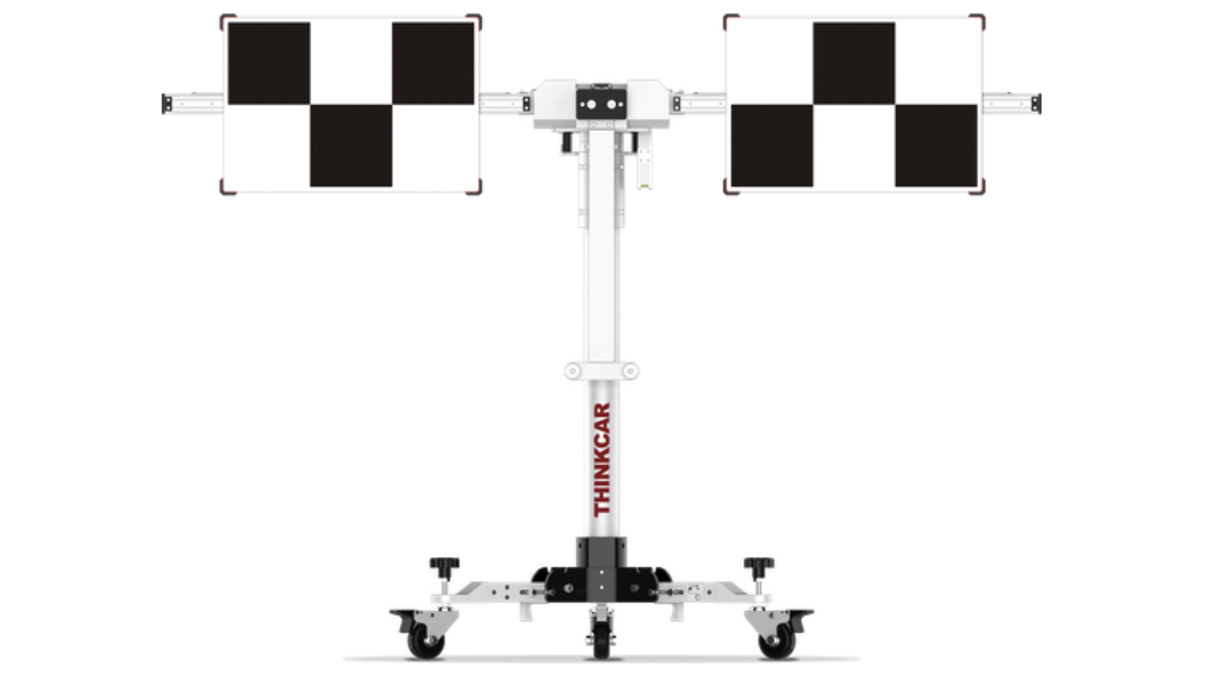
Perhaps most significantly, ADAS calibration equipment has become a major growth area.
“As vehicle safety systems evolve, calibration is no longer optional,” Colette said.
“Workshops need the right equipment, and they need to know how to use it correctly.”
The company’s offering does not stop at supply – installation, commissioning, servicing, and technical training form part of the package.
This is a deliberate strategy designed to create long-term partnerships rather than transactional sales.
“We don’t just sell gear,” Colette explains.
“We’re solutions focused. Our people and their readiness to meet our customer needs is what sets us apart. We simply care.”
That sentiment reflects a broader understanding of the SME mindset.
Independent workshops operate on tight margins and limited downtime. Equipment that is improperly installed, poorly supported or inadequately understood can quickly erode profitability.
By embedding technical support within its business model, Logicar says it has created differentiation in a market increasingly populated by large-scale distributors.
Navigating rapid technological change
The present challenge for the sector is clear: keeping pace with rapid technological evolution.
Electric vehicles introduce high-voltage systems and new diagnostic architectures. Advanced driver assistance systems (ADAS) require precise calibration environments. Data-driven scan tools now generate volumes of information that must be interpreted accurately to avoid misdiagnosis.
“Keeping pace with rapid tech change, especially EV and ADAS, is one of the biggest challenges,” Colette acknowledges.
“Looking ahead, aligning the complexities in data-driven scan tools with customer support will be critical.”
To address this, Logicar continues to expand its EV and ADAS calibration equipment portfolio, while exploring predictive diagnostics technologies that anticipate faults rather than simply identifying them.
At the same time, the company remains focused on sourcing quality everyday workshop equipment through its global supplier network – recognising that productivity fundamentals remain just as important as high-end diagnostics.
This balance between innovation and reliability has underpinned the company’s growth trajectory.
A defining decision
When asked about the single decision that shaped the business, Colette points to a clear strategic pivot.
“Choosing to focus on specialist workshop equipment solutions, and backing that with technical support and training, established a profound differentiation from our large corporate competitors,” Colette said.
“It created long-term customer loyalty.”
That decision effectively moved Logicar from being a product supplier to becoming a capability enabler.
As industry consolidation intensified and large corporate players expanded their footprint, protecting customer-first values became a core priority. Maintaining agility while scaling nationally required careful alignment of culture and capability.
The company’s competitive advantage today lies in its partnerships with global innovators, a technically capable team and an intrinsic understanding of independent operators.
“We are not large corporate,” Colette said.
“We understand the SME mindset.”
Strengthening the Aftermarket
Logicar’s commitment to the independent sector extends beyond equipment supply.
Through its membership of the Australian Automotive Aftermarket Association (AAAA), the business engages with industry advocacy, policy development and professional networking.
Initiatives such as Right to Repair have reinforced the importance of equitable access to vehicle data and technical information – principles that align closely with Logicar’s founding purpose.
“Our membership connects us with valuable industry insights, networking opportunities and strong advocacy that help strengthen the aftermarket sector,” Colette said.
“As an SME, we also rely on the AAAA for trusted legal and HR guidance – honestly, a single phone call can pay for the membership on its own.”
Colette’s involvement at board level further cements the company’s engagement with sector development, positioning Logicar as both supplier and stakeholder in the future of the independent workshop.
Looking ahead
Strategically, the path forward centres on expanding national reach and further strengthening supply chain resilience.
As vehicle platforms continue evolving toward software-defined architectures and electrified powertrains, the complexity of workshop tooling will only increase.
For independent operators, access to appropriate equipment and technical backing will remain decisive.
Logicar’s growth over the past quarter century demonstrates that the independent workshop is not merely surviving technological disruption – it is adapting, investing and professionalising.
The company’s evolution from ECU repair specialist to national workshop equipment partner mirrors the broader transformation of the sector itself.
In an industry defined by constant change, Logicar’s core philosophy remains consistent: empower the independent workshop with the tools, training and technical support required to compete – and thrive – in a rapidly advancing automotive landscape.
For more information, visit www.logicar.com.au