
CLOSED-LOOP AIR SUSPENSION
Premium SUVs, luxury sedans, and performance vehicles are arriving in workshops with increasingly sophisticated suspension technology
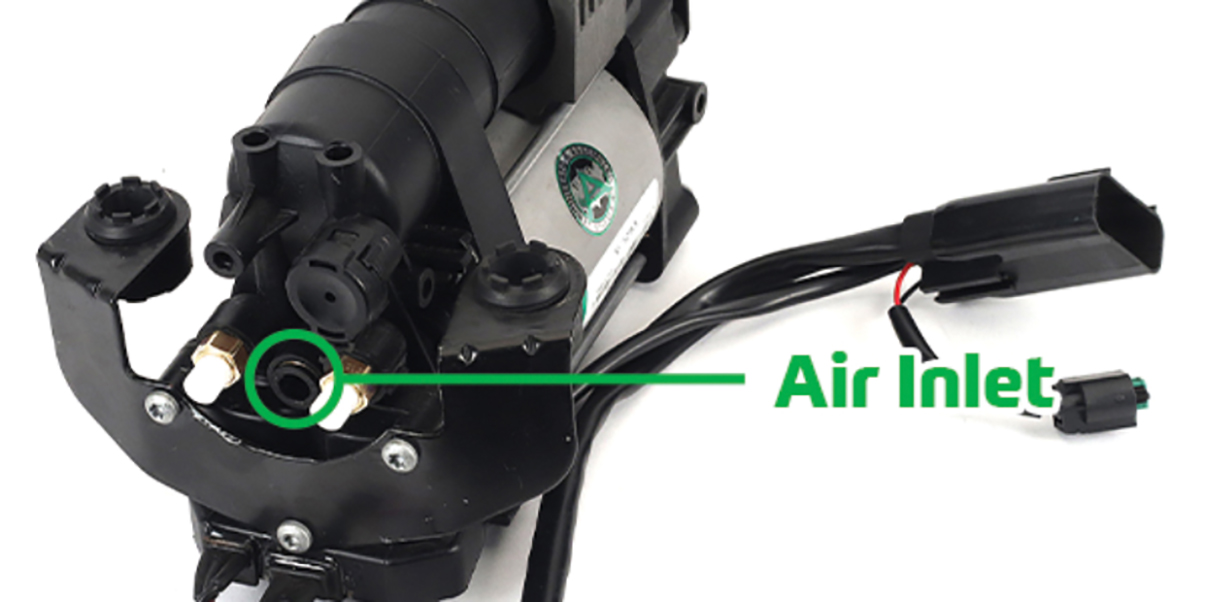
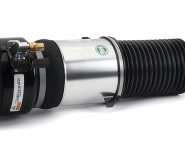
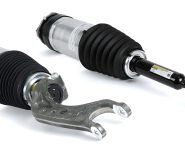
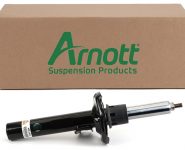
Arnott says one system technicians may encounter is closed-loop air suspension, a design which requires a different approach to diagnosis and service.
For technicians, that difference matters. It affects diagnosis, installation, inflation procedures, leak repair, and final calibration.
Understanding how closed-loop systems manage pressure can help prevent repeat faults and protect replacement components.
Open versus closed-loop systems
Both open and closed-loop systems use a compressor, valve block, control unit, and air springs or struts to control vehicle height and ride quality.
The main difference is what happens to the gas inside the system during operation.
In a conventional open system, the compressor draws in atmospheric air, compresses it, and delivers it to the air springs either directly or through a reservoir. When the vehicle lowers, that air is vented to the atmosphere and removed from the system.
Closed-loop systems operate differently. Instead of relying primarily on outside air, they use a controlled gas reserve, commonly nitrogen, stored within the system. During inflation, gas moves from the reservoir to the air springs. During lowering, it returns to the reservoir rather than being vented away.
Why proper charging matters
Arnott explains that despite the name, closed-loop systems are not maintenance-free: leaks, damaged components, or incorrect repairs can reduce the available gas charge.
When pressure drops too low, technicians may see warning messages, ride-height restrictions, slow operation, or compressor overrun.
Overcharging can also create problems, including pressure relief events, system faults, and unnecessary stress on components.
Arnott provides the following service tips for workshops when it comes to servicing a closed-loop system:
• Replace damaged air springs or struts.
• Never lower a vehicle onto empty air springs.
• Follow the manufacturer’s recharge and inflation procedures.
• Verify final system pressure after component replacement.
• Maintain the correct gas balance to ensure proper compressor operation.
As air suspension becomes a more common repair category, Arnott notes that technician training is increasingly important.
It says resources such as Arnott’s Air Suspension Academy can help workshops build confidence in system operation, diagnosis, installation, and service best practices before the vehicle arrives in the bay.
The dedicated program is designed to help participants confidently master air suspension through online, on-demand training courses which are organised by difficulty level from the fundamentals to more in-depth systems and components.
For more information, visit www.arnottinc.com